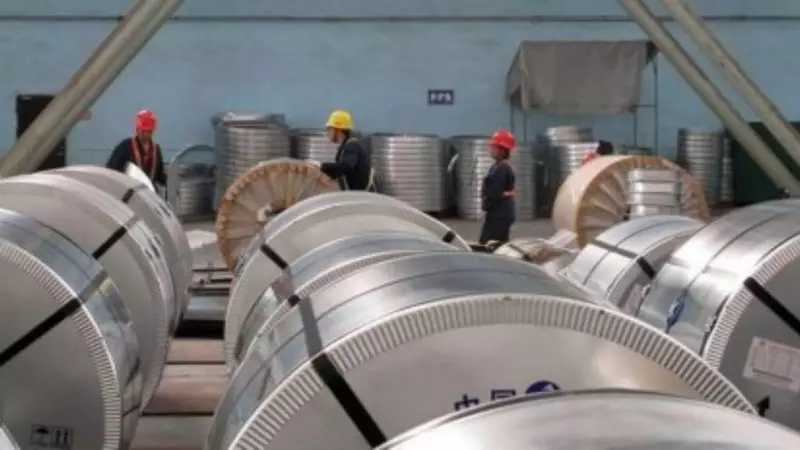
India is actively pushing for simpler access to steel scrap from the European Union. This move forms a key part of ongoing trade negotiations. The goal is to lessen the blow from the EU's new carbon tax, which started on January 1st.
Navigating the Carbon Border Adjustment Mechanism
Indian manufacturers have voiced serious concerns. They say the EU's Carbon Border Adjustment Mechanism, or CBAM, acts like a hidden trade barrier. This tax targets goods made with higher carbon emissions than EU standards allow. It restricts Indian metal exports to the 27-nation bloc.
At the same time, EU recycling policies limit how much scrap steel can leave Europe. This supports their own industries but hurts countries like India that need this material.

The Green Steel Solution
The Indian government has a clear plan. It wants to significantly increase steel production using scrap metal. This will happen through arc furnace technology under the "green steel initiative."
Steelmaking emissions vary greatly by method. The traditional blast furnace route, common in India, produces the most carbon. Using scrap in electric arc furnaces cuts emissions dramatically. It can reduce carbon output by 1.5 metric tonnes per ton of scrap used. Energy use also drops by 75% compared to old methods.
Despite these benefits, scrap makes up only 20% of India's steelmaking material today. Domestic supply is limited to about 25 million metric tonnes each year.
Trade Talks and Industry Pressure
The Engineering Export Promotion Council raised this issue directly. During a Board of Trade meeting last November, they called the EU's scrap export limits a "non-tariff barrier." They argued it makes sourcing scrap for new, cleaner furnaces very difficult.
Think tank GTRI estimates CBAM could slap a 20-35% tax on some Indian exports to the EU. This puts immense pressure on hard-to-decarbonize sectors like steel.
A Global Scrap Squeeze
India's request comes at a challenging time globally. The world's supply of tradable steel scrap is getting tighter. Major exporters are keeping more for their own use to meet climate goals.
India is the world's second-largest scrap importer. It relies heavily on developed nations like the US, UK, and EU. Official data shows India's ferrous scrap imports more than doubled from 2013 to 2023.
However, projections are worrying. The Boston Consulting Group forecasts EU scrap exports could fall by 25% by 2030. Export taxes from countries like China and Russia further restrict global supply.
EU's Circular Economy Focus
The European Commission is pushing its own agenda. Its action plan aims to boost circularity in metal industries. The EU wants to use more scrap domestically, especially in high-quality applications like automotive manufacturing.
EU ferrous scrap exports hit a peak of 19.43 million tonnes in 2021. The bloc now wants to reverse that trend, keeping more resources at home. This directly conflicts with India's need for imported scrap to fuel its green steel transition.
India's Ambitious Targets
Under the green steel initiative, India has set a bold goal. It aims to raise the share of scrap in steelmaking to 50% by 2047. Achieving this requires reliable access to quality scrap, which is now a major bottleneck.
A recent ICRIER report highlighted the urgency. It stated that constrained scrap access remains a critical problem for India's steel sector. The sector faces unprecedented pressure to decarbonize due to climate-linked trade rules like CBAM.
As global scrap availability declines and import dependency rises, India's trade negotiations with the EU take on added significance. Securing easier scrap access is not just about trade—it's central to India's industrial and environmental future.