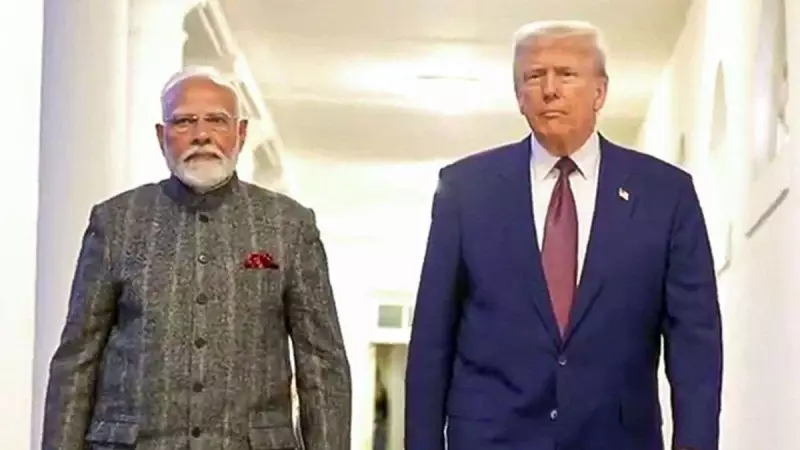
India Shifts Focus to US Trade Negotiations After Securing EU Deal
In a significant development for its global trade strategy, India has successfully concluded a landmark trade agreement with the European Union and is now turning its attention towards finalizing a comprehensive trade deal with the United States. The government has set an ambitious target to complete the US trade negotiations by 2026, marking a pivotal step in strengthening bilateral economic relations between the two nations.
Building on the Momentum from the EU Pact
The recent pact with the European Union has provided India with renewed confidence and momentum in its international trade endeavors. This agreement, which covers a wide range of sectors including goods, services, and digital trade, has been hailed as a milestone in India's economic diplomacy. It has not only enhanced market access for Indian products but also set a positive precedent for future negotiations with other major economies.
Key officials have emphasized that the lessons learned and the frameworks established during the EU negotiations will be instrumental in accelerating talks with the United States. The government is keen to leverage this success to address longstanding trade issues and create a more balanced and mutually beneficial partnership with the US.

Strategic Importance of the US Trade Deal
The proposed trade deal with the United States holds immense strategic importance for India's economic growth and global positioning. As one of the world's largest economies, the US represents a critical market for Indian exports, particularly in sectors such as information technology, pharmaceuticals, textiles, and agriculture. A comprehensive agreement is expected to:
- Reduce tariffs and non-tariff barriers, facilitating smoother trade flows.
- Enhance cooperation in emerging areas like digital economy and clean energy.
- Provide a stable and predictable trade environment for businesses on both sides.
- Boost investment opportunities and foster innovation through technology transfers.
Analysts suggest that completing this deal by 2026 could significantly bolster India's GDP and create numerous job opportunities, aligning with the nation's broader economic objectives.
Challenges and Roadmap to 2026
While the target of 2026 is ambitious, several challenges need to be addressed to ensure a successful outcome. Key sticking points in past negotiations have included intellectual property rights, agricultural subsidies, and market access for specific products. Both countries will need to engage in constructive dialogue and make concessions to bridge these gaps.
The Indian government has outlined a phased approach to the negotiations, focusing initially on areas of mutual interest to build trust and momentum. Regular high-level meetings and working groups are being planned to keep the process on track. Officials are optimistic that with sustained political will and diplomatic efforts, the 2026 deadline is achievable.
This move underscores India's proactive stance in shaping its trade policy and deepening economic integration with key global partners. As the world watches, the success of these negotiations could redefine India's role in the international trade landscape.