In a significant development for the global diamond industry, India has been selected to chair the Kimberley Process Certification Scheme (KPCS) in 2026. This pivotal role places the nation at the helm of international efforts to regulate the trade of rough diamonds and prevent the flow of conflict gems.
A Third Term at the Helm
The decision was made at the Kimberley Process (KP) Plenary, with India set to assume the chairpersonship from January 1, 2026. This will mark the third time India has been entrusted with this responsibility, underscoring its central position in the global diamond ecosystem. The country will first take over as the KP vice-chair later this week, before ascending to the chair in the new year.
Union Minister of Commerce and Industry, Piyush Goyal, welcomed the appointment, stating that India's selection reflects global trust in the Modi government's commitment to promoting integrity and transparency in international trade.

Navigating a Complex Global Landscape
India's leadership comes at a critical juncture for the diamond trade. The KPCS, a tripartite initiative involving governments, the diamond industry, and civil society, is embroiled in ongoing discussions to expand the definition of 'conflict diamonds'. For over three years, stakeholders have debated broadening the term to include diamonds linked to human rights abuses, forced labour, systemic violence, and environmental damage.
Furthermore, the process has faced intense scrutiny following Russia's invasion of Ukraine. Stakeholders had previously demanded action against Russian-mined diamonds through the KPCS. While the KP itself has not imposed blanket sanctions, G7 countries and the European Union have enacted their own restrictions on Russian diamonds, alleging that revenues were financing the war. These sanctions have reshaped market access, benefiting other producers.
India's Central Role in the Diamond Pipeline
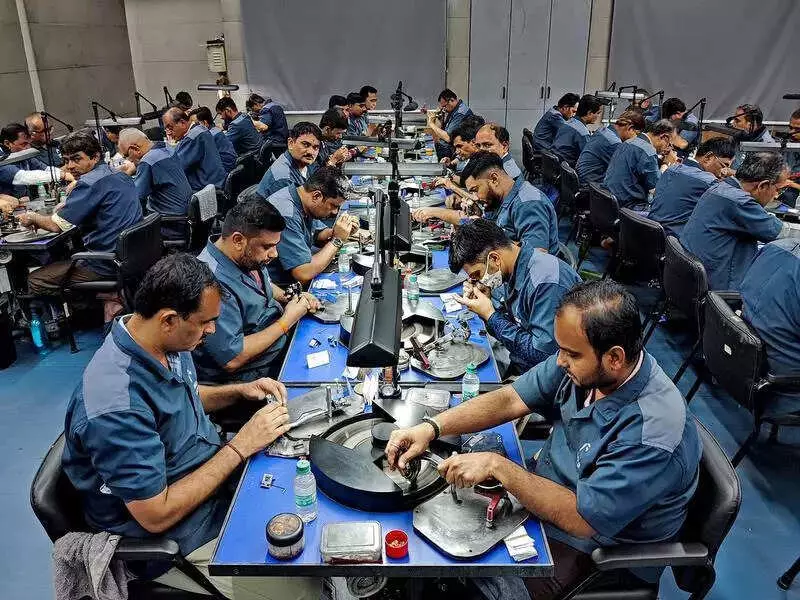
India's position as chair carries immense weight due to its practical dominance in the industry. The country polishes nearly 90% of the world's rough diamonds. Simultaneously, Russian rough diamonds account for approximately 30% of global supply, creating a complex dynamic for Indian manufacturers. The world will be watching closely to see how India balances its economic interests with its governance role amid these geopolitical tensions.
The Kimberley Process, established by a UN resolution and effective since January 1, 2003, now has 60 participants (with the EU and its member states counted as one). Together, they account for over 99% of the global rough diamond trade.
Kirit Bhansali, Chairman of the Gem and Jewellery Export Promotion Council (GJEPC), commented on the development, saying, "GJEPC welcomes India's selection as KP chair for 2026. This reflects the international community's trust in the Indian government's principled and inclusive approach to strengthening the global diamond trade through effective governance of the Kimberley Process."
As India prepares to lead in 2026, its tenure will be defined by navigating the reform of core definitions and maintaining the stability and ethics of a multi-billion dollar global industry under unprecedented strain.