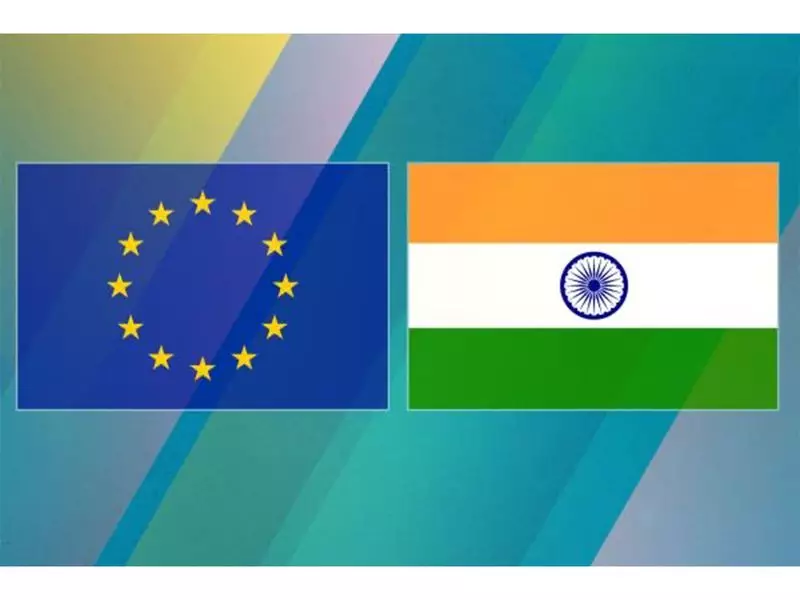
India has launched a significant challenge against the European Union's environmental trade measures, raising serious concerns about their potential impact on global commerce and developing economies. During a recent World Trade Organization meeting, Indian representatives demanded greater clarity and predictability regarding the EU's Carbon Border Adjustment Mechanism (CBAM) and new steel sustainability standards.
India's Strong Stance at WTO Committee Meeting
At the meeting of the WTO's Committee on Trade and Environment held in Geneva, India expressed deep apprehension about the European Union's proposed regulations. The Indian delegation specifically questioned whether the EU had conducted proper assessments of how these measures would affect international trade, particularly for developing countries that rely heavily on exports of carbon-intensive products.
Indian officials emphasized that while environmental protection remains important, trade measures designed to address climate change must comply with WTO rules and principles. They argued that such regulations should not create unnecessary obstacles to global commerce or discriminate against products from developing nations.

Understanding the EU's Carbon Border Adjustment Mechanism
The Carbon Border Adjustment Mechanism represents one of the European Union's most ambitious climate policies. CBAM requires importers to purchase certificates corresponding to the carbon emissions embedded in their goods. This mechanism aims to prevent carbon leakage, where companies might relocate production to countries with less stringent climate policies.
Currently in its transitional phase since October 2023, CBAM initially covers iron, steel, cement, aluminum, fertilizers, electricity, and hydrogen. Indian exporters to EU markets must now comply with detailed reporting requirements about the carbon footprint of their products, creating additional administrative burdens and potential cost increases.
New Steel Sustainability Standards Raise Additional Concerns
Beyond CBAM, India also raised questions about the EU's proposed Steel Sustainability Standards. These new regulations seek to establish environmental criteria for steel products entering the European market. Indian officials have requested comprehensive information about how these standards will align with existing international agreements and WTO obligations.
The steel industry represents a crucial sector for India's manufacturing economy and export portfolio. Any restrictions on steel exports to European markets could significantly impact India's industrial growth and economic development plans.
Potential Consequences for India-EU Trade Relations
The implementation of these EU measures could have far-reaching implications for trade between India and the European Union. India remains one of the world's largest producers of steel and aluminum, both sectors directly affected by CBAM regulations. Indian companies may face competitive disadvantages if the carbon pricing mechanisms don't adequately account for different national circumstances and development stages.
Indian representatives have stressed the importance of technical assistance and capacity building for developing countries to adapt to these new requirements. They've also highlighted the need for recognition of early climate actions and different national approaches to emissions reduction.
The dialogue at the WTO reflects broader tensions between environmental objectives and trade fairness. India's intervention signals its determination to protect its economic interests while engaging constructively on climate issues. The outcome of these discussions could set important precedents for how climate-related trade measures are implemented globally.
As the transitional phase of CBAM continues, Indian exporters and policymakers are closely monitoring developments and preparing for potential adjustments to their business strategies and climate policies. The coming months will prove crucial in determining whether a balance can be struck between environmental protection and equitable trade practices.