

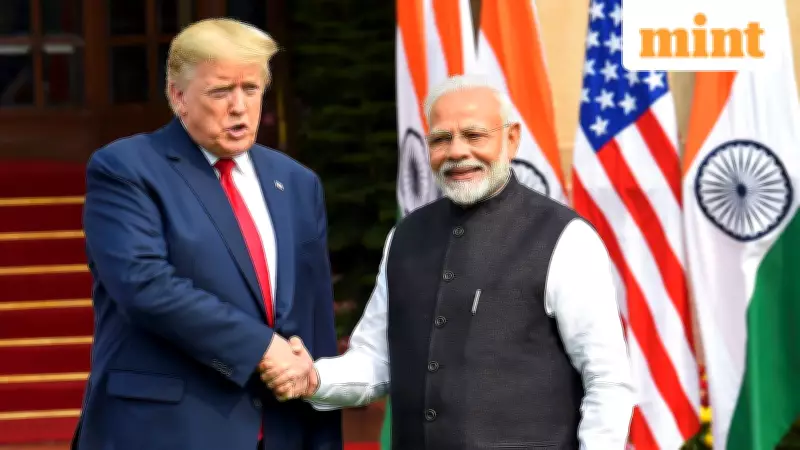
India and United States Forge Interim Trade Pact, Marking Major Bilateral Milestone
In a significant development for global trade relations, India and the United States jointly announced on February 7, 2026, that they have reached an interim agreement on a potential bilateral trade deal. This long-awaited framework follows intense negotiations that commenced on January 13, 2026, signaling a breakthrough in economic diplomacy between the two nations.
Joint Statement Unveils Framework for Reciprocal Trade Benefits
According to an official joint statement released on Saturday, "The United States of America and India are pleased to announce that they have reached a framework for an Interim Agreement regarding reciprocal and mutually beneficial trade." This announcement underscores a mutual commitment to enhancing trade flows and reducing barriers.
US Tariff Reduction on Indian Exports
Under the terms of the interim agreement, the United States will apply a reciprocal tariff rate of 18% on all Indian exports. This move involves withdrawing the additional 25% tariffs previously imposed, effectively lowering the total duty from earlier levels of up to 50% to a more favorable 18%.

The White House issued an executive order stating: "Effective with respect to goods entered for consumption, or withdrawn from the warehouse for consumption, on or after 12.01 a.m. EST on 7 February 2026, products of India imported into the United States shall no longer be subject to the additional ad valorem rate of duty of 25% imposed pursuant to Executive Order 14329."
India's Concessions on US Imports
In exchange, India has agreed to subject certain imports from the United States to zero tariffs or reduced rates. This reciprocal measure aims to balance trade interests and foster economic cooperation. The official announcement highlights a range of American goods that will benefit from these concessions.

List of US Goods with Zero or Reduced Tariffs in India
- US Food and Agricultural Products: Items such as dried distillers’ grains (DDGs), red sorghum for animal feed, tree nuts including pistachio, walnut, and almond, lentils, vegetable planting material, vegetable sap, vegetable roots, taro, banana, beans, cereals, barley, and seeds will attract zero tariffs or reduced rates.
- Fresh and Processed Fruit: Imports of fresh and processed fruits from the United States will be subject to lower tariff rates, potentially even zero tariffs under the new deal.
- Soybean Oil: Union Minister Piyush Goyal clarified that soybean oil imports into India will have a reduced tariff rate under a quota-based system. He emphasized this during his media address on Saturday.
- Alcohol (Wine and Spirits): Foreign liquor, including wine and spirits, will see a lower import tax rate in India as part of the trade agreement with America.
- Medicines: Critical drugs for treatments such as heart disease or cancer will be subject to a zero-tariff structure, enhancing access to essential healthcare products.
- Cosmetics: Foreign cosmetics will benefit from a reduced tariff framework, potentially lowering costs for consumers in India.
- Chemicals: During his media address, Union Commerce Minister Piyush Goyal noted that both organic and inorganic chemicals will be subject to lower tariffs due to the deal.
- Computer Products: Components like Graphics Processing Units (GPUs) imported from the United States will attract reduced import duties, supporting the technology sector.
- Health Equipment: Medical devices, including chosen equipment and hearing aids, will be subject to reduced import taxes, improving healthcare infrastructure.
- Additional Products: The interim agreement also mentions that other unspecified products will be eligible for zero or reduced tariffs when imported from America, indicating flexibility for future trade expansions.
Implications and Future Prospects
This interim agreement marks a pivotal step toward a comprehensive bilateral trade deal between India and the United States. By addressing tariff disparities and promoting reciprocal benefits, both nations aim to strengthen economic ties, boost exports, and create a more predictable trade environment. The framework sets the stage for further negotiations, with potential impacts on sectors ranging from agriculture to technology and healthcare.





