

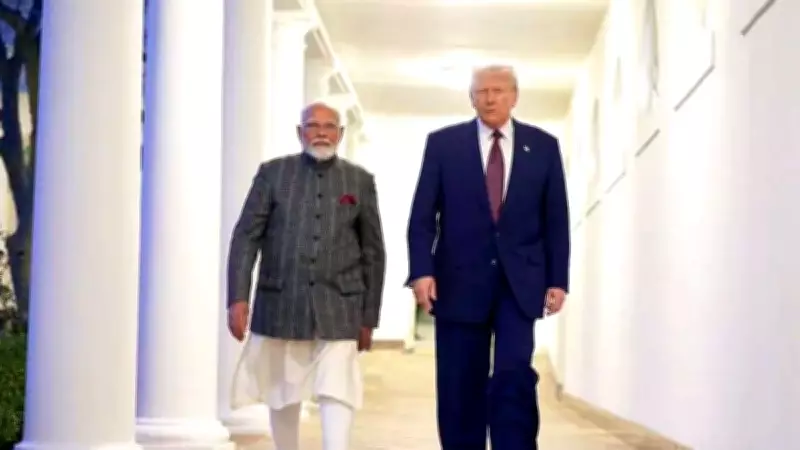
India and US Seal Interim Trade Agreement: A Comprehensive Breakdown
The governments of India and the United States have officially inked an interim trade agreement, marking a significant milestone in their economic partnership. This pact, announced on February 7, 2026, serves as a stepping stone toward a more comprehensive free trade deal, addressing longstanding trade tensions and fostering bilateral cooperation.
Key Takeaways from the Interim Trade Deal
The agreement focuses on several critical areas to enhance trade flows and resolve disputes. Here are the primary highlights:
- Market Access Improvements: Both nations have committed to reducing barriers in key sectors. India will lower tariffs on agricultural products like almonds, apples, and walnuts from the US, while the US will provide greater access for Indian textiles, engineering goods, and pharmaceuticals.
- Tariff Reductions: Specific tariff cuts have been implemented to boost exports. For instance, India has agreed to reduce duties on high-tech medical devices and certain chemicals, and the US will ease tariffs on Indian steel and aluminum products.
- Intellectual Property Protection: The deal includes enhanced provisions for safeguarding intellectual property rights, particularly in pharmaceuticals and digital services, aiming to curb piracy and promote innovation.
- Dispute Resolution Mechanism: A streamlined process has been established to address trade grievances, ensuring quicker resolutions and minimizing economic disruptions.
- Digital Trade Facilitation: Provisions support cross-border data flows and e-commerce, aligning with global digital economy trends.
Analysis of the Full Statement
The official statement released by both governments emphasizes the strategic importance of this interim agreement. It highlights mutual benefits, such as job creation, increased investment, and strengthened supply chains. The statement also underscores the commitment to ongoing negotiations for a broader trade pact, with this interim deal serving as a confidence-building measure.

Experts note that this agreement could boost bilateral trade, which has faced challenges due to tariffs and regulatory hurdles. By addressing specific pain points, it paves the way for deeper economic integration and geopolitical alignment between the two democracies.
Implications for the Global Economy
This interim trade deal has broader implications beyond India and the US. It signals a move toward resolving trade disputes through dialogue rather than protectionism, potentially influencing other international trade negotiations. Additionally, it could enhance stability in Indo-Pacific trade routes and contribute to global economic recovery efforts.
In summary, the India-US interim trade agreement is a pivotal development in international trade relations. With its focus on market access, tariffs, and intellectual property, it sets a positive precedent for future collaborations and economic growth.






