

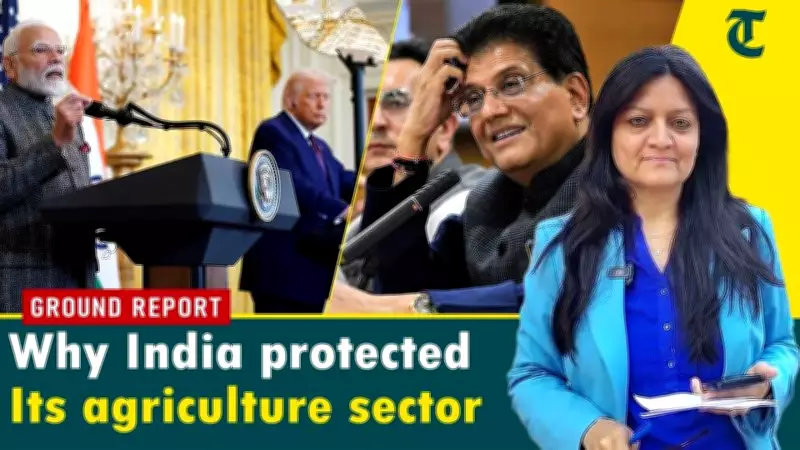
India-US Trade Relations: Persistent Barriers in Key Food Sectors
The trade relationship between India and the United States is marked by significant complexities, particularly in the agricultural and food sectors. Despite efforts to enhance bilateral trade, certain key products—notably dairy, poultry, and staple foods—remain largely off-limits due to a combination of domestic policies, regulatory concerns, and strategic considerations. This situation underscores the challenges in aligning the economic interests of two major global economies with differing priorities and standards.
Dairy Products: A Matter of Policy and Protection
India maintains stringent restrictions on the import of dairy products from the United States, primarily driven by domestic agricultural policies aimed at protecting local farmers. The Indian government enforces high tariffs and non-tariff barriers, such as strict sanitary and phytosanitary measures, to shield its dairy sector from foreign competition. Additionally, cultural and religious factors play a role, as many Indian consumers prefer locally sourced milk and dairy items due to traditions and concerns over animal welfare standards in other countries. These measures are part of a broader strategy to ensure food security and support rural livelihoods, making dairy a sensitive issue in trade negotiations.
Poultry Imports: Health and Safety Concerns
Poultry imports from the US face similar hurdles, with India citing food safety and animal health as primary reasons for restrictions. Indian regulations require that imported poultry meet specific standards to prevent the spread of diseases like avian influenza, which has led to bans or limited access for US products. Moreover, the Indian poultry industry is a significant contributor to the economy, providing employment to millions, and the government seeks to protect it from cheaper imports that could undermine local producers. This protectionist stance is reinforced by public health priorities, as authorities prioritize controlling potential outbreaks through rigorous inspection protocols.

Staple Foods: Geopolitical and Economic Factors
Staple foods, including grains and other essential commodities, are also subject to trade barriers between India and the US. India often imposes import restrictions to stabilize domestic prices and ensure supply for its large population, especially during times of inflation or crop shortages. Geopolitical considerations further complicate matters, as India aims to maintain self-sufficiency in food production to reduce dependency on foreign sources. In trade talks, these staples become bargaining chips, with both countries navigating disputes over subsidies, tariffs, and market access that reflect broader economic strategies and diplomatic relations.
Implications for Bilateral Trade and Future Prospects
The persistence of these trade barriers has significant implications for India-US economic ties. While both nations benefit from cooperation in areas like technology and defense, agricultural trade remains a contentious point, often leading to disputes at international forums like the World Trade Organization. Moving forward, resolving these issues may require compromises, such as phased tariff reductions or mutual recognition of standards, but progress is likely to be slow due to entrenched interests on both sides. As global trade dynamics evolve, finding a balance between protectionism and openness will be crucial for enhancing bilateral relations and fostering sustainable growth.






