

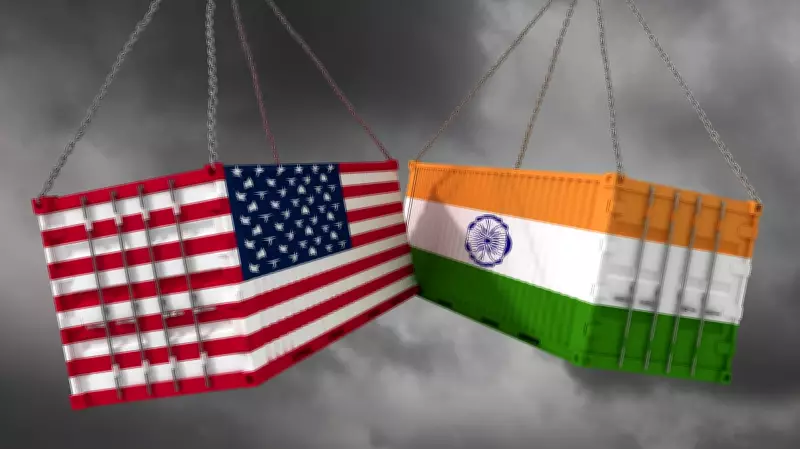
India-US Trade Deal: Analyzing the 18% Export Levy and India's Global Position
In a significant development for international commerce, the India-US trade deal has introduced an 18% levy on exports, sparking discussions about India's standing among other nations. While the finer details of this bilateral agreement are not yet fully disclosed, the anticipated reduction in tariffs is poised to provide a substantial boost to numerous sectors within the Indian economy. This move underscores the evolving dynamics of global trade partnerships and their impact on domestic industries.
Understanding the 18% Export Levy in the Trade Deal
The imposition of an 18% levy on exports as part of the India-US trade deal represents a strategic element in the negotiation process. This levy is designed to balance trade flows and address concerns related to market access and competitiveness. By implementing such a measure, India aims to protect its economic interests while fostering a more equitable trading relationship with the United States. The levy is expected to influence export patterns and revenue generation, making it a critical component of the deal's overall framework.
India's Global Standing Amidst the Trade Agreement
With this trade deal, India positions itself among other major economies that engage in similar bilateral agreements. The 18% export levy places India in a unique category, as it navigates the complexities of international trade policies. Compared to countries like China, Germany, and Japan, which have their own tariff structures and trade deals, India's approach reflects its growing influence in global markets. This deal could enhance India's reputation as a proactive player in shaping trade norms and attracting foreign investment.

Expected Boost to Indian Sectors from Tariff Reductions
The reduction in tariffs, a key aspect of the India-US trade deal, is anticipated to invigorate multiple sectors across the Indian economy. Industries such as information technology, pharmaceuticals, textiles, and agriculture are likely to benefit from increased market access and lower trade barriers. This boost could lead to:
- Enhanced Export Opportunities: With reduced tariffs, Indian products may become more competitive in the US market, driving up export volumes.
- Job Creation: As sectors expand due to favorable trade conditions, new employment opportunities could emerge, supporting economic growth.
- Technological Advancements: Increased trade may facilitate the transfer of technology and best practices, fostering innovation in Indian industries.
While the exact details of these tariff reductions remain under wraps, the potential for positive economic ripple effects is substantial, aligning with India's broader goals of sustainable development and global integration.
Broader Implications for India-US Relations and Global Trade
This trade deal not only impacts bilateral relations between India and the United States but also sets a precedent for future international agreements. By addressing issues like the 18% export levy and tariff cuts, the deal highlights the importance of mutual cooperation in resolving trade disputes and promoting economic stability. As other countries observe these developments, India's role in global trade forums may be strengthened, contributing to a more balanced and inclusive international economic order.
In summary, the India-US trade deal, with its 18% levy on exports and anticipated tariff reductions, marks a pivotal moment for India's economic trajectory. While awaiting further details, the deal positions India favorably among global players and promises significant benefits for key sectors, reinforcing its status as a dynamic force in world trade.






