

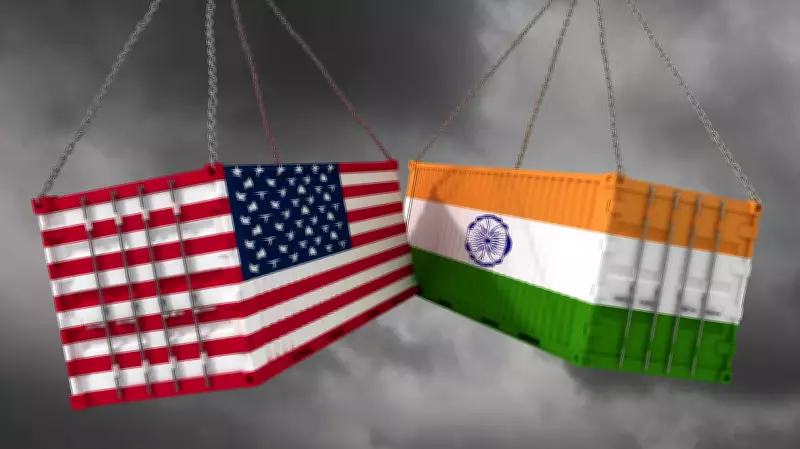
The recently announced India-US trade deal has introduced an 18% tariff on exports, sparking significant discussion about India's standing in the global trade landscape. This development places India among a select group of countries navigating complex international trade agreements, with implications for its economic strategy and sectoral growth.
Understanding the 18% Tariff on Exports
Under the new trade deal between India and the United States, an 18% tariff has been imposed on exports from India. This tariff rate is a critical component of the agreement, designed to balance trade interests and foster mutual economic benefits. While the finer details of the trade deal are not yet fully disclosed, this tariff structure is expected to influence how Indian goods compete in the US market and beyond.
India's Position Among Other Countries
With this 18% export tariff, India finds itself in a unique position compared to other nations engaged in trade with the United States. Many countries have varying tariff rates based on bilateral agreements, and India's new rate places it within a competitive framework that could affect its export volumes and market share. Analysts are closely watching how this compares to tariffs faced by other major exporters like China, Vietnam, and Mexico, which could shape India's global trade rankings.

Expected Boost to Indian Sectors
Despite the initial focus on tariffs, the reduction in overall tariff barriers as part of the deal is anticipated to give a significant boost to many sectors in India. Key industries such as information technology, pharmaceuticals, textiles, and automotive parts are likely to benefit from improved market access and reduced trade costs. This could lead to increased exports, job creation, and enhanced economic growth, aligning with India's broader goals of becoming a global manufacturing and services hub.
Broader Implications for India-US Relations
The trade deal extends beyond mere tariffs, reflecting deeper economic and diplomatic ties between India and the United States. By addressing trade imbalances and fostering cooperation, this agreement could strengthen bilateral relations and set a precedent for future collaborations. It also underscores India's proactive role in shaping international trade policies, positioning it as a key player in global economic discussions.
As details continue to emerge, stakeholders in both countries are monitoring the implementation and impact of this deal. The 18% tariff on exports is just one aspect of a multifaceted agreement that promises to reshape trade dynamics and bolster India's economic prospects on the world stage.






