

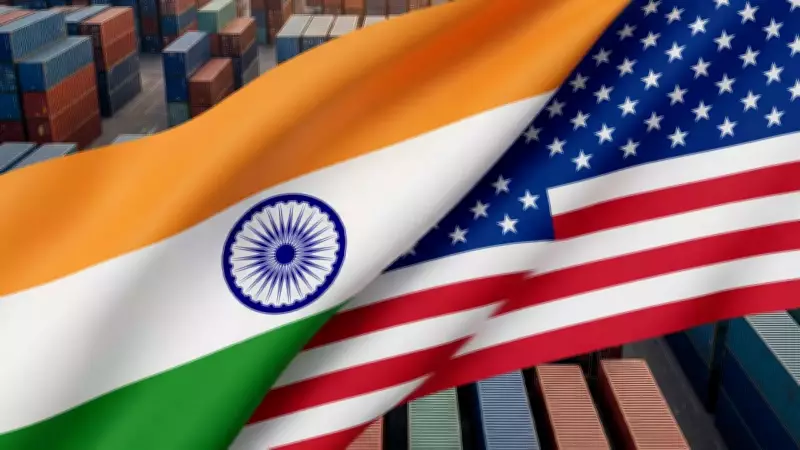
India and United States Seal Major Trade Agreement Framework
In a significant development for global trade, India and the United States have jointly announced the framework for an interim trade agreement, marking a pivotal moment in bilateral economic relations. The announcement comes days after US President Donald Trump and Prime Minister Narendra Modi heralded the much-anticipated deal, with Commerce Minister Piyush Goyal indicating that the formal signing is expected within the next few weeks.
Key Highlights of the India-US Trade Agreement
Tariff Reduction and Market Access
Under the proposed arrangement, tariffs on Indian exports to the United States will be substantially reduced to 18%, down from previous levels. This move is poised to open a massive $30 trillion market for Indian exporters, particularly benefiting Micro, Small, and Medium Enterprises (MSMEs), farmers, and fishermen. In reciprocity, India will either eliminate or lower duties on all American industrial products, along with a selection of US food and agricultural imports.

Protected Sectors: Sensitive agricultural and dairy products, including maize, wheat, rice, soya, poultry, milk, cheese, ethanol (fuel), tobacco, certain vegetables, and meat, have been safeguarded to protect Indian farmers' interests and rural livelihoods.
$500 Billion US Goods Purchase Commitment
India has committed to purchasing $500 billion worth of American goods over the coming five years. This substantial procurement will encompass:
- Energy supplies
- Aircraft and related components
- Precious metals
- Technology equipment
- Coking coal
This commitment is expected to bolster trade volumes and strengthen economic ties between the two nations.
Boost for Labor-Intensive Indian Sectors
The reduced tariffs are anticipated to significantly support exports from India's labor-intensive industries, which are crucial for employment generation. Key sectors set to benefit include:
- Textiles and garments
- Leather and footwear
- Plastic and rubber products
- Organic chemicals
- Home décor items and handicrafts
- Select machinery segments
Prime Minister Narendra Modi emphasized that this framework will generate large-scale employment opportunities for women and youth, aligning with the objectives of the 'Make in India' initiative.
Zero Tariffs on Select Products
Once the interim agreement is successfully finalized, duties on a broad range of products are expected to be reduced to zero. This includes:
- Generic medicines
- Gems and diamonds
- Aircraft components
This move is projected to enhance India's export competitiveness and further support the 'Make in India' campaign.
Technology and Security Provisions
The agreement also focuses on expanding trade in technology-related goods, such as Graphics Processing Units (GPUs) and other data center equipment. Both nations aim to strengthen collaboration in technology development and simplify adherence to technical regulations through discussions on standards and conformity assessment processes.
National Security Considerations: In line with US national security provisions, India will be granted a preferential tariff-rate quota for automotive parts currently subject to tariffs imposed on security grounds. Additionally, the United States will eliminate tariffs on certain aircraft and aircraft parts originating from India.
Executive Order and Broader Negotiations
President Trump has signed an executive order to remove the 25% penal tariffs on India for its purchase of crude oil from Russia, facilitating smoother trade relations. The joint statement notes that if either country alters the agreed tariff structure, the other would have the flexibility to adjust its commitments accordingly.
The framework reinforces the commitment of both sides to continue negotiations under the Bilateral Trade Agreement framework, initiated by President Trump and Prime Minister Modi on February 13, 2025. These broader negotiations are expected to further expand market access and strengthen the resilience of supply chains between India and the United States.

Leadership Perspectives
Prime Minister Narendra Modi expressed gratitude towards President Trump, stating, "Great news for India and USA! We have agreed on a framework for an Interim Trade Agreement between our two great nations. I thank President Trump for his personal commitment to robust ties between our countries." He highlighted that the deal reflects the growing depth, trust, and dynamism of the partnership.
Commerce Minister Piyush Goyal remarked that the agreement will create lakhs of new job opportunities and open significant market avenues for Indian exporters. The deal is seen as a step towards building a 'Viksit Bharat' (Developed India) through future-oriented global partnerships that empower people and contribute to shared prosperity.
This India-US trade deal represents a landmark achievement in bilateral relations, promising to enhance trade flows, support economic growth, and foster stronger collaboration between two of the world's largest democracies. As both nations move forward, the agreement sets a positive precedent for future trade negotiations and economic cooperation.





