

India-US Trade Deal: 18% Tariffs Set to Commence Next Week, USTR Visit Scheduled for March
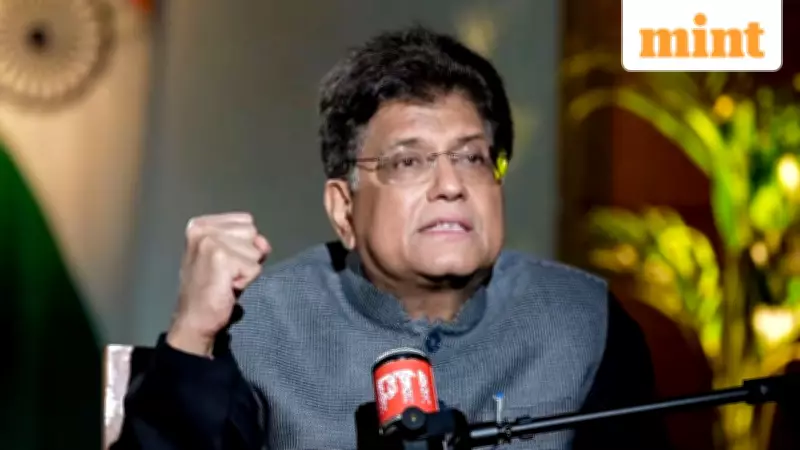
Commerce and Industry Minister Piyush Goyal declared on Monday that the recently announced 18% tariffs imposed by the United States are anticipated to take effect starting next week. In an exclusive interview with CNBC-TV18, Goyal elaborated that the new tariff regime will officially begin once the White House signs an executive order, a procedural step expected imminently.
He further disclosed that United States Trade Representative (USTR) Jamieson Greer is likely to visit India in March to sign a legal document formalizing the trade agreement. This development follows the unveiling of a framework for an interim trade agreement between the two nations on 7 February, aimed at dismantling trade barriers, reducing tariffs, and enhancing market access for both countries.
Tariff Reset to Enhance US Market Access for Indian Goods
Goyal emphasized that the tariff reset will significantly improve US market access for Indian goods. Under the new deal, nearly 50% of Indian exports to Washington will attract zero duty, providing a substantial boost to Indian exporters. The interim agreement focuses on delivering immediate relief through these tariff reductions, as confirmed by the government.

However, approximately 10-15% of India's exports to the US, including critical sectors like steel and aluminium, will remain subject to US Section 232 sectoral tariffs, continuing to face duties of up to 50%. Additionally, nearly 35% of the remaining exports will be subject to around 18% tariffs, Goyal added, outlining the structured approach of the agreement.
E-commerce Inventory Issues and Russian Oil Imports Excluded from Deal
In clarifying the scope of the negotiations, Goyal stated that inventory-related issues for e-commerce companies were not part of the trade discussions between India and the US. He explained that while both nations held talks regarding trade concessions, the matter of e-commerce firms' inventory was excluded, indicating that India's existing regulatory framework for the sector remains unchanged.
Regarding Russian crude oil imports, Goyal confirmed that this issue was not included in the trade deal set to take effect soon. He noted that Washington had previously indicated it would monitor India's future oil imports from Russia, but this matter is being handled separately by the Ministry of External Affairs under S Jaishankar, highlighting the deal's focused nature on trade aspects.
Background and Implications of the India-US Trade Agreement
The trade deal was announced by US President Donald Trump on 2 February via a post on Truth Social, following a call with Indian Prime Minister Narendra Modi. Trump stated that the agreement reduces tariffs by 18% and includes India's commitment to halt purchases of crude oil from Russia, instead opting to buy oil from the US and potentially Venezuela.
Key components of the deal include:
- India agreeing to purchase over $500 billion worth of US goods, encompassing energy, coal, technology, and other products.
- Prime Minister Modi's commitment that India will "BUY AMERICAN at a much higher level," as per Trump's announcement.
- The White House rescinding additional 25% tariffs imposed on all imports from India, previously levied due to India's purchase of Russian oil.
This agreement marks a reversal from August 2025, when the Trump administration imposed 50% tariffs on New Delhi, including a 25% punitive tariff for continued Russian oil purchases. Reuters reported that these measures had battered Indian markets, making them among the worst-performing in emerging nations in 2025.
In a post on X, Goyal highlighted the transformative potential of the deal, stating, "This agreement unlocks unprecedented opportunities for farmers, MSMEs, entrepreneurs, and skilled workers to Make in India for the world, Design in India for the world, and Innovate in India for the world. It will help India get technology from the U.S." This underscores the strategic benefits aimed at fostering economic growth and technological exchange between the two nations.






