

India-US Interim Trade Agreement Hailed as a Boost for 'Make in India' Initiative
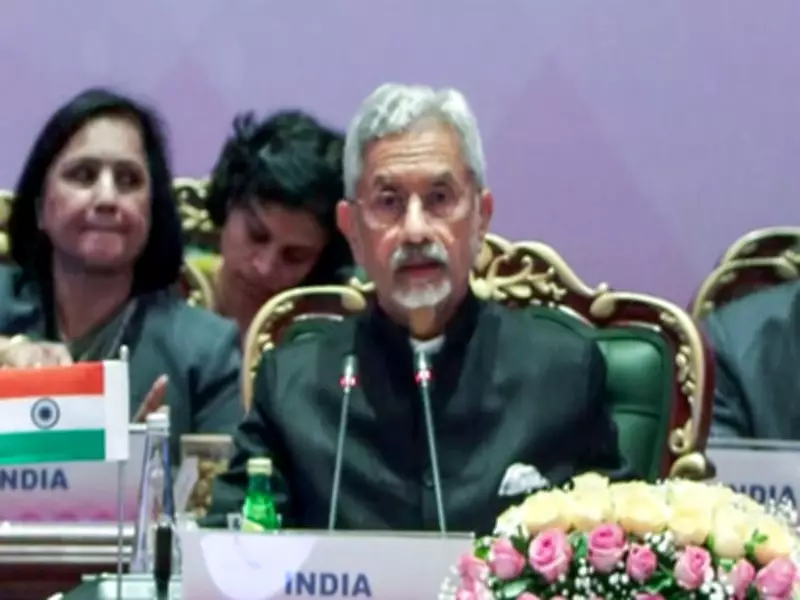
External Affairs Minister S Jaishankar has publicly commended the newly established framework for an interim trade agreement between India and the United States. In a statement made on Saturday, February 7, 2026, Jaishankar emphasized that this deal is poised to unlock significant market opportunities for Indian exporters, thereby reinforcing the government's flagship 'Make in India' vision.
Key Highlights of the Agreement
According to a joint release from the White House and India's Commerce Ministry, the interim agreement marks a pivotal step toward advancing broader bilateral trade negotiations initiated by Prime Minister Narendra Modi and former US President Donald Trump in February 2025. The framework is designed to foster a mutually beneficial partnership that enhances economic cooperation between the two nations.
For Indian exporters, the deal promises greater market access, with the United States applying a reciprocal tariff rate of 18 percent on a range of Indian goods. This includes:

- Textiles and apparel
- Leather and footwear
- Plastic and rubber products
- Organic chemicals
- Home decor and artisanal items
- Certain machinery
Additionally, the US has agreed to remove tariffs on specific aircraft and aircraft parts from India, which were previously imposed due to national security concerns.
India's Commitments and Economic Impact
In return, India has committed to eliminating or reducing tariffs on all US industrial goods, as well as a wide array of agricultural products. Key items affected include:
- Dried distillers' grains (DDGs)
- Red sorghum for animal feed
- Tree nuts and various fruits
- Soybean oil
- Wine and spirits
Furthermore, India plans to purchase USD 500 billion worth of US products over the next five years. This procurement will encompass energy products, aircraft and parts, precious metals, technology goods, and coking coal, signaling a substantial boost to bilateral trade volumes.
Government Endorsements and Future Prospects
Union Commerce Minister Piyush Goyal also lauded the agreement, noting that it would provide Indian exporters, particularly MSMEs, farmers, and fishermen, with access to a USD 30 trillion market. Goyal projected that the deal could lead to a significant increase in exports and the creation of lakhs of new jobs, with a focus on empowering women and youth.
Jaishankar, in his remarks, stated that "new vistas have opened up" through this agreement, which will further promote the 'Make in India' campaign by enhancing India's manufacturing and export capabilities on the global stage.
This interim trade framework is seen as a strategic move to strengthen economic ties between India and the United States, paving the way for more comprehensive trade agreements in the future.






