

India-US Trade Deal Strengthens Bilateral Economic Ties: Industry Leaders React
The announcement of a landmark India–US trade deal, featuring significant reductions in reciprocal tariffs, has sparked widespread reactions from business leaders, market experts, and industry bodies across India. Stakeholders have struck an optimistic note, hailing the agreement as a crucial step forward in enhancing economic engagement between the two nations. However, many have underscored that the final impact will hinge on how the deal's intricate details unfold in the coming months.
Removing Market Uncertainty and Boosting Economic Outlook
Nilesh Shah, Managing Director of Kotak Mahindra AMC, emphasized that the deal eliminates a major source of uncertainty that had been looming over Indian financial markets. He described the India-US trade negotiations as having experienced numerous ups and downs, akin to a roller coaster ride. While cautioning that the devil lies in the details, Shah noted that the agreement removes a hanging sword over the rupee, equity markets, and interest rates. He expressed hope that this would prove to be a win-win arrangement for both countries, given the substantial gains achievable through cooperation.
Deepak Agrawal, Chief Investment Officer for Debt at Kotak Mutual Fund, highlighted the potential macroeconomic benefits. He stated that the tariff reduction on Indian exports to the US is a welcome move expected to bolster India's economy. This development is likely to improve the country's balance of payments gap, strengthen the rupee, increase foreign exchange reserves, and attract foreign institutional investors. Agrawal added that stable interest rates and improved equity valuations could follow as positive outcomes.

Strengthening Strategic and Investment Cooperation
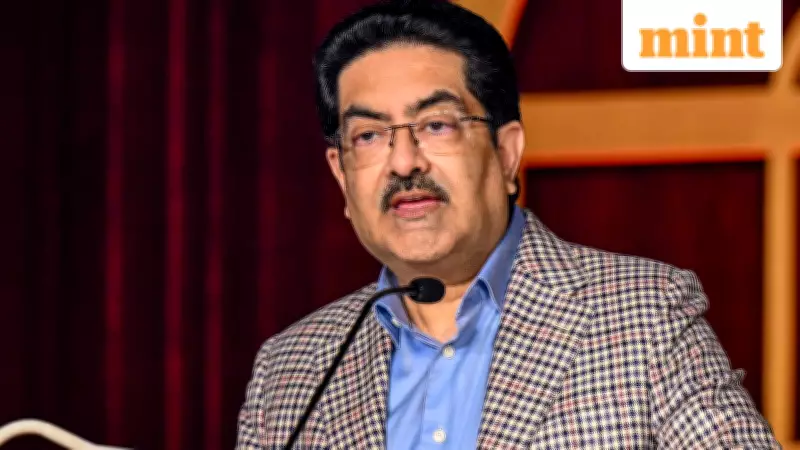
Kumar Mangalam Birla, Chairman of the Aditya Birla Group, welcomed the deal as a positive first step to strengthen investment ties. He asserted that the reduced tariffs will help fortify the strategic and economic relationship between India and the US, providing additional opportunities for investment and collaboration. Birla pointed out that the agreement could facilitate the building of resilient supply chains, unlock manufacturing opportunities, and drive long-term competitiveness in both economies.
Businessman Dr. Sanjiv Goenka also praised the development, crediting India's leadership for advancing the nation's economic interests on the global stage. In a social media post, he attributed the progress to Prime Minister Narendra Modi's resolute leadership, persistence, and an India-first approach.
Industry Bodies and Exporters Weigh In
The US-India Strategic Partnership Forum (USISPF) described the tariff reduction as an important and positive first step toward a broader bilateral trade agreement. While acknowledging that specific details are still pending, the forum noted that the announcement signals strong political will on both sides to move toward a comprehensive US–India Bilateral Trade Agreement. Such a pact, they added, would deliver meaningful benefits for businesses, workers, and consumers while strengthening supply chains and economic resilience. The USISPF reiterated its support for expanding bilateral trade toward the ambitious target of USD 500 billion.
On the export front, Pankaj Chadha, President of the Engineering Export Promotion Council, highlighted India's negotiating positions. He mentioned that tariffs on industrial goods had already been offered at zero rates months earlier, but India's red lines remain in agriculture and dairy sectors. Chadha suggested that geopolitical shifts may have played a role in pushing the deal forward, emphasizing the need to protect sensitive domestic industries.
Overall, the consensus among business leaders is that the India-US trade deal represents a significant milestone with the potential to enhance bilateral economic ties, though its ultimate success will depend on the careful implementation of its provisions.






