

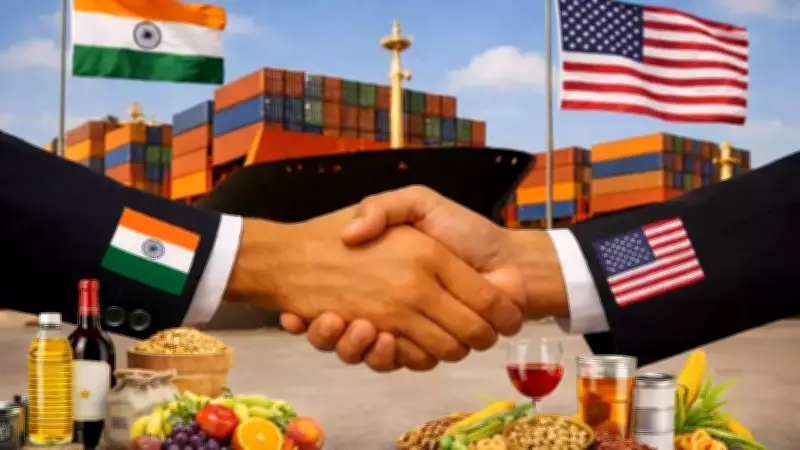
India-US Trade Agreement Unveiled, Set to Transform Bilateral Commerce
In a landmark development for global trade, India and the United States have officially announced a comprehensive trade agreement that promises to reshape economic relations between the two nations. The pact, detailed in a joint statement released on Saturday, is poised to significantly bolster India's flagship 'Make in India' initiative by unlocking unprecedented opportunities for businesses and the youth workforce.
Dramatic Tariff Reduction Opens American Market
The core of the agreement involves a substantial reduction in tariffs imposed on Indian goods entering the United States. Previously set at a steep 50%, these tariffs will now be lowered to 18%, dramatically enhancing market access for Indian exporters across multiple sectors. This strategic move is expected to catalyze a surge in exports, providing a competitive edge to Indian products in the lucrative $30 trillion American market.
Prime Minister Narendra Modi hailed the deal as a pivotal step toward deepening economic engagement and fortifying domestic manufacturing. In a social media post, PM Modi stated, "Great news for India and USA! We have agreed on a framework for an Interim Trade Agreement between our two great nations." He emphasized that the framework "reflects the growing depth, trust and dynamism of our partnership."

Major Boost for Make in India and Employment
PM Modi underscored that the agreement will invigorate the 'Make in India' campaign by creating new avenues for farmers, entrepreneurs, MSMEs, startup innovators, and fishermen. The deal is projected to generate large-scale employment, particularly benefiting women and young people, thereby addressing key socio-economic goals.
The tariff reductions will apply to a diverse range of sectors, including:
- Textiles and apparel
- Leather and footwear
- Plastic and rubber items
- Organic chemicals
- Home decor and artisanal products
- Certain machinery
Furthermore, the agreement outlines the withdrawal of reciprocal tariffs on a broad list of products once the interim pact is successfully concluded. This includes generic pharmaceuticals, gems and diamonds, and aircraft parts, which are set to benefit from zero tariffs, further enhancing India's export competitiveness.
Additional Advantages and Sector-Specific Gains
The trade package includes several key provisions designed to deliver concrete benefits:
- Exemptions under Section 232 for aircraft parts, facilitating smoother trade in aerospace components.
- A tariff rate quota for automotive components, aligned with American national security requirements, which will provide preferential access for Indian auto parts manufacturers.
- Negotiated outcomes for generic pharmaceuticals, ensuring better market penetration for India's robust pharmaceutical industry.
Commerce and Industry Minister Piyush Goyal highlighted that the agreement would empower Indian exporters, especially MSMEs, farmers, and fishermen, by granting them access to the vast American market. He projected that increased exports would create lakhs of new job opportunities, reinforcing the government's commitment to sustainable growth and economic cooperation.
Protection for Agricultural and Dairy Interests
While market access expands, New Delhi has ensured that core agricultural and dairy sectors remain shielded. Sensitive items such as maize, wheat, rice, soya, poultry, milk, cheese, ethanol (fuel), tobacco, certain vegetables, and meat will be completely protected. This safeguard is aimed at sustaining rural incomes and livelihoods, ensuring that the trade deal does not adversely affect India's agricultural community.
The India-US trade deal represents a strategic alignment of economic interests, fostering a partnership that promises mutual growth and prosperity. As both nations move forward with implementation, the focus remains on deepening cooperation and leveraging this agreement to drive innovation, employment, and sustainable development across sectors.






