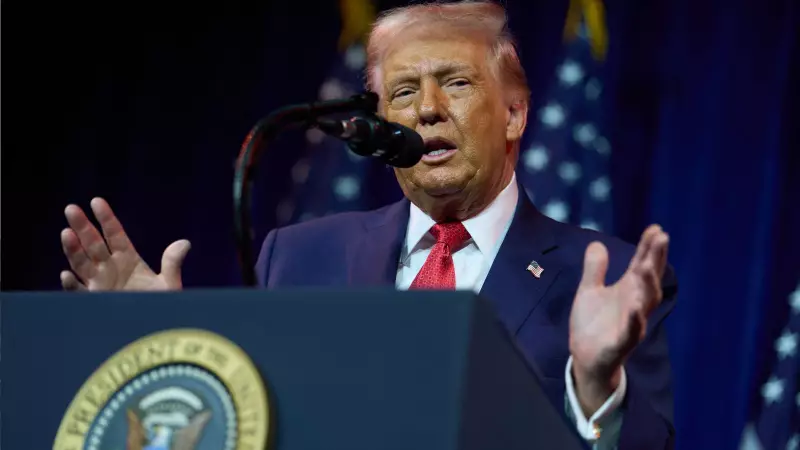
In a revelation that sheds new light on stalled trade negotiations, US Commerce Secretary Howard Lutnick has stated that a high-stakes trade deal between India and the United States fell apart at a critical juncture because Prime Minister Narendra Modi did not place a phone call to then-President Donald Trump.
The Critical Missed Connection
Lutnick made these remarks during an interview on the All-In podcast on January 9. He described a scenario where negotiators from both nations had successfully reached an understanding on the terms of a favourable trade agreement. According to Lutnick, his role was to "negotiate the contracts and set the whole deal up," but final approval required direct leader engagement.
"I said, 'You got to have Modi call. It's all set up. You have to have Modi call the president,'" Lutnick recounted. He claimed Indian officials were "uncomfortable" arranging the call, and as a result, Modi did not call Trump. This failure to connect at the top level allegedly caused the window of opportunity to slam shut.

The Staircase Negotiation Strategy
Lutnick explained President Trump's unique approach to trade deals, likening it to a staircase. The first country to finalize an agreement gets the most favourable terms. Each subsequent deal is negotiated at a "higher" step, with less advantageous conditions.
He cited the UK deal as the first step. India was reportedly next in line and was given a deadline of three Fridays to conclude its agreement. "We told India, you had three Fridays to get it done," Lutnick said. When India did not finalize the deal within that period, the US moved on to other nations, including Indonesia, the Philippines, and Vietnam.
"So that Friday left, middle of the next week, we did Indonesia, the Philippines, right? Vietnam, we announced a whole bunch of deals," he stated. This moved the negotiation staircase upward, leaving India behind with worse potential terms.
Lost Opportunity and Shifting Terms
Lutnick claimed that Indian negotiators later returned, ready to finalize the pact. However, by that time, the landscape had changed. "And then India calls back and says, 'Oh, okay, we were ready.' I said, ready for what? It was like three weeks later," he remarked. The terms Washington was willing to offer were no longer the same.
"They say, 'but, but you agreed?' And I said, then. Not now," Lutnick added, emphasizing that the moment had passed. He concluded that India lost its chance at a preferential deal and found itself "further in the back of the line."
These comments gain added significance as they come just a day after US Senator Lindsey Graham stated that former President Trump had "greenlit" the Russia sanctions bill. This legislation aims to impose 500% tariffs on countries purchasing Russian oil, a move that could have severe implications for nations like India.
Compounding the issue, India already faces tariffs of up to 50% on certain exports to the US, which has hurt its trade with one of its largest partners. Lutnick succinctly summed up India's position: "India just was, you know, on the wrong side of the seesaw." This disclosure highlights how diplomatic protocols and timing can dramatically alter the course of international economic agreements.