

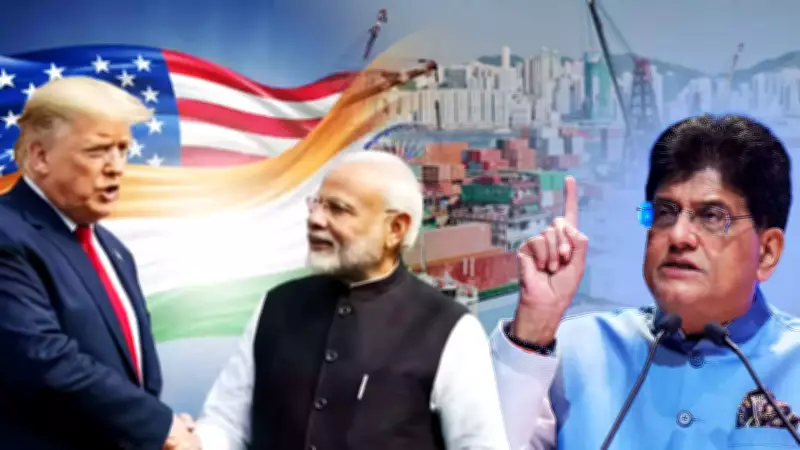
Indian Delegation Heads to US to Finalize Trade Deal Framework Amid Opposition Criticism
A high-level Indian delegation is scheduled to visit the United States next week with the crucial objective of finalizing the legal framework for the much-anticipated India-US trade pact. This development comes at a time when opposition parties in India are intensifying their attacks on the government over concerns regarding tariff concessions and the potential sectoral impact of the agreement.
Commerce Secretary Confirms Decisive Stage of Negotiations
Commerce Secretary Rajesh Agrawal has officially confirmed that the bilateral trade negotiations have now entered a decisive and critical phase. The proposed agreement, which was initially outlined during discussions between Indian Prime Minister Narendra Modi and former US President Donald Trump, encompasses significant tariff adjustments and promises increased market access for both nations.
Under the terms being negotiated, the United States is expected to lower import duties on a range of Indian goods, while India may reciprocate by reducing tariffs on American imports in specific, targeted areas. This reciprocal approach aims to balance economic interests and foster stronger trade ties between the two largest democracies.

Government Assurances on Sensitive Sectors
The Indian government has consistently maintained that sensitive sectors such as agriculture and dairy will remain safeguarded under the proposed trade deal. Officials have emphasized that Tariff Rate Quota (TRQ) mechanisms will be implemented to prevent sudden and disruptive surges in imports, thereby protecting domestic industries and farmers from adverse effects.
"We are committed to ensuring that our core economic interests, particularly in agriculture and dairy, are fully protected. The TRQ system is designed to provide a buffer against market volatility," a senior commerce ministry official stated, reiterating the government's stance.
Opposition Raises Transparency Concerns
Despite these assurances, critics and opposition parties have raised significant concerns about the long-term implications of the trade pact. They argue that the negotiations lack sufficient transparency and that the potential consequences for various sectors, including manufacturing and small-scale industries, require more detailed public scrutiny and parliamentary discussion.
The opposition has demanded greater clarity on:
- The specific tariff reductions India is considering
- The projected impact on employment and domestic production
- The mechanisms for monitoring and enforcing the agreement's provisions
Legal Drafting Begins in Washington
As the Indian delegation prepares for its Washington visit, the focus has now shifted to the technical drafting of the legal agreement. This phase involves translating the negotiated terms into a binding document that will govern future trade relations. The process is expected to be complex, requiring careful balancing of economic opportunities with political accountability and domestic sensitivities.
The outcome of next week's meetings could significantly influence the timeline for finalizing the trade deal, which has been under discussion for several years. Both nations are keen to enhance their economic partnership, but domestic political considerations in India, particularly with ongoing opposition criticism, add a layer of complexity to the final stages of negotiation.






