

India-US Trade Agreement: A Historic Step Towards $500 Billion Bilateral Trade
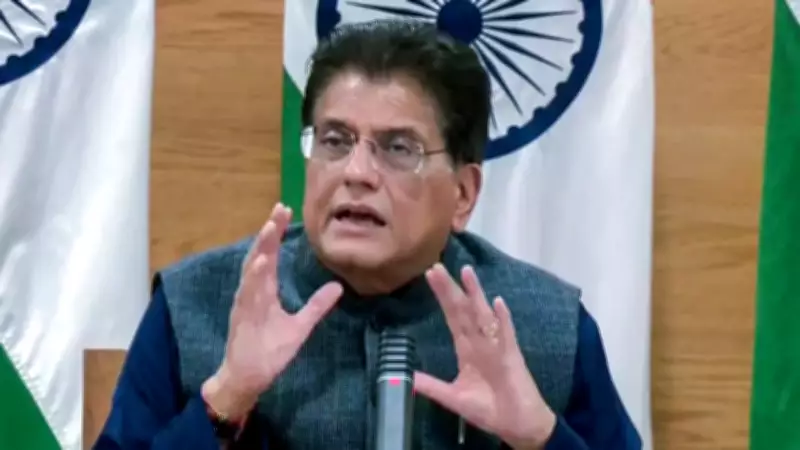
Union Minister for Commerce and Industry Piyush Goyal declared the newly signed India-US trade agreement as a landmark achievement in India's ambitious journey to become a developed nation by 2047. Addressing a media briefing on Saturday, Goyal emphasized that this day will be remembered as a pivotal moment in strengthening the economic ties between the two global powers.
Strategic Discussions and Key Objectives
Goyal revealed that discussions for this bilateral trade agreement commenced in February 2025, with a forward-looking approach that carefully considered the diplomatic relationship between India and the United States, as well as the strong friendship shared by the leaders of both nations. The minister outlined the primary objective of the pact: to achieve an annual bilateral trade volume of 500 billion dollars between India and the United States.
"This is a historic day that will be remembered for opening new opportunities for India," Goyal stated, noting a widespread wave of happiness and enthusiasm across all sectors of the country regarding the future prospects enabled by this agreement.

Protecting Indian Interests and Agricultural Sectors
One of the critical aspects highlighted by Goyal is the careful structuring of the agreement to protect the interests of Indian farmers and the dairy sector. He addressed concerns by pointing out that some individuals in the country, who he claimed are against farmers' interests and mislead the public, have been surprised to find that no provisions in the India-US trade agreement work against the welfare of farmers.
Major Tariff Reductions and Export Advantages
The commerce minister detailed significant benefits for Indian exporters under the new agreement:
- The reciprocal tariff on Indian exports to the United States has been dramatically reduced from 50 percent to just 18 percent.
- This 18 percent tariff is notably lower than those imposed by neighboring countries and other competing nations, providing Indian exporters with a clear competitive advantage in the US market.
Goyal illustrated the positive impact with a real-world example, citing a handicrafts artisan from Sambhal in Uttar Pradesh who expressed confidence that the tariff reduction would bring new orders, benefits, and progress for his entire sector.
Zero-Duty Access for Key Export Categories
The agreement establishes zero-duty access for several crucial categories of Indian exports to the United States:
- Gems and diamonds exported from India will now be subject to zero duty under the agreement.
- Pharmaceutical products, which India exports in substantial quantities, will also face zero duty in the US market.
- Smartphones exported from India to the United States will continue to enjoy their existing zero-duty status.
Agricultural Benefits and Sectoral Opportunities
In the agricultural sector, Goyal announced that many products will be exported to the US with zero reciprocal tariff, meaning no additional duty will be applied. The comprehensive list of agricultural items covered includes:
- Spices, tea, coffee, and products made from them
- Coconut and coconut oil
- Vegetable wax
- Areca nut, Brazil nut, cashew nut, and chestnut
- Several fruits and vegetables under the zero-duty provisions
Goyal concluded by expressing confidence that the agreement is expected to open up new opportunities across multiple sectors and will significantly benefit Indian exporters in the coming days, marking a transformative chapter in India-US economic relations.






