

India-US Trade Agreement: A Deep Dive into Agricultural Implications
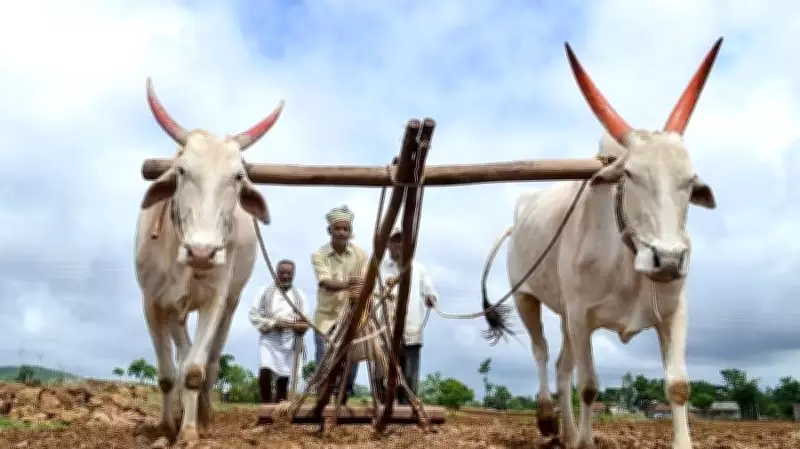
The recently released India-US joint statement has shed light on critical trade negotiations, indicating that New Delhi successfully pushed back against Washington's efforts to broadly open its agricultural market. This development, reported by Reuters on February 9, 2026, has sparked widespread debate about the potential winners and losers among India's millions of farmers.
Resisting Broad Market Opening
According to the joint statement, India maintained a firm stance, resisting pressure from the United States to implement sweeping liberalization of its agricultural sector. This strategic pushback is seen as a protective measure for domestic farmers, who form the backbone of India's rural economy. The negotiations highlight the delicate balance between fostering international trade and safeguarding local agricultural interests.
Key Import Concessions and Their Impact
The trade pact includes specific provisions for certain agricultural products, raising important questions about their effects on Indian farmers:

- DDGS and Soyoil Imports: India's decision to allow imports of Distillers' Dried Grains with Solubles (DDGS) and soyoil under concessional terms has created a complex scenario. While these imports may benefit livestock farmers and the edible oil industry by providing cheaper feed and raw materials, they could potentially disadvantage domestic producers of similar products, leading to market competition and price pressures.
- Duty-Free Cotton Imports: The possibility of duty-free cotton imports from the US poses a significant threat to Indian cotton farmers. This move could flood the market with cheaper foreign cotton, potentially driving down prices and reducing the profitability of local cultivation, affecting millions of farmers across cotton-growing states.
- Concessional Imports of Apples and Dry Fruits: Allowing concessional imports of apples and dry fruits from the US might benefit consumers through lower prices and increased variety. However, Indian apple growers in regions like Himachal Pradesh and Jammu & Kashmir, as well as dry fruit producers, could face stiff competition, potentially impacting their livelihoods and market share.
Potential Benefits for Indian Farmers
Despite these challenges, the trade deal may offer some advantages for Indian farmers. Enhanced market access for specific Indian agricultural products in the US could open new revenue streams. Additionally, technology transfer and knowledge sharing in areas like precision farming and sustainable agriculture might improve productivity and resilience. The pact could also encourage investment in agricultural infrastructure, benefiting the sector in the long term.
Balancing Act: Protection vs. Progress
The India-US trade agreement represents a careful balancing act. By resisting broad market opening, India has protected its farmers from immediate, widespread disruption. However, the selective import concessions indicate a willingness to engage in targeted trade liberalization. This approach aims to integrate India into the global agricultural market while mitigating adverse impacts on vulnerable farming communities.
The ultimate impact on millions of Indian farmers will depend on implementation details, government support measures, and the ability of farmers to adapt to changing market dynamics. Continuous monitoring and adaptive policies will be crucial to ensure that the trade pact contributes to sustainable agricultural development and farmer welfare.






