

India-US Bilateral Trade Agreement Set for Imminent Rollout
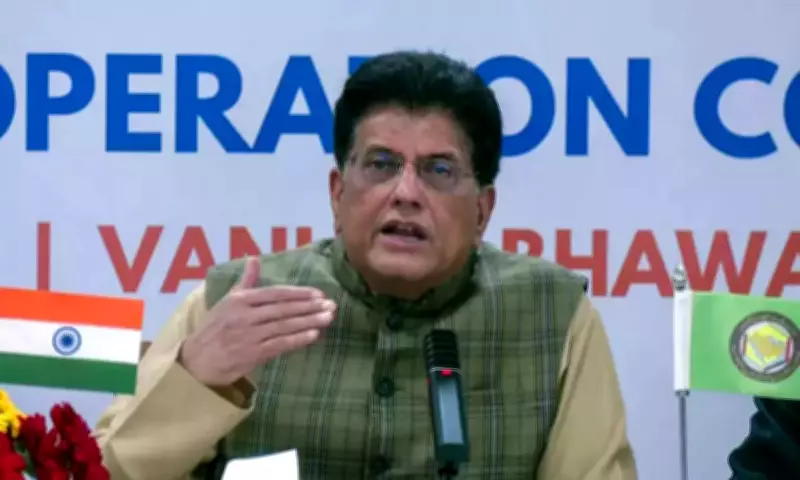
In a significant development for international commerce, the first tranche of the bilateral trade agreement (BTA) between India and the United States is nearly finalized and ready for implementation. Commerce and Industry Minister Piyush Goyal announced on Thursday that a joint statement is expected to be issued within the next four to five days, marking a crucial step forward in this landmark deal.
Tariff Reduction and Implementation Timeline
The agreement will pave the way for reducing US tariffs on Indian goods to 18%, a move that promises to boost exports and strengthen economic ties. Minister Goyal clarified that the framework of the BTA is likely to be formally signed in March. Once implemented, India will begin duty cuts, including a phased reduction for certain specific goods, ensuring a smooth transition for both economies.
Commerce Secretary Rajesh Agrawal provided further insight into the tariff mechanics, stating, "Their tariffs are executive tariffs. Our tariffs are MFN tariffs (rates applicable to countries with which concessional or FTA rates have not been worked out). So MFN tariff reduction can only take place after the legal agreement is signed, but we hope to do it fast." This highlights the procedural nuances involved in aligning the two nations' trade policies.

Focus on Trade Alignment, Not New Investments
Addressing widespread speculation, Minister Goyal emphasized that the agreement does not involve fresh investment pledges from India. Instead, it is strategically designed to align trade and sourcing from the US with India's projected growth needs over the coming years. "The fast-paced growth at which India is going ahead… we will need large volumes of energy. We will need large numbers of data centre equipment, ICT products," he explained.
He further elaborated on India's expanding industrial capacity, noting that steel production is set to double from the current 140 million tonnes to approximately 300 million tonnes in the near future. Based on these projections, India estimates it will require at least $500 billion in imports from the US over the next five years.
Projected Trade Volumes and Key Sectors
Official estimates indicate that during this five-year period, India's exports are projected to reach around $2 trillion, showcasing the balanced nature of the trade relationship. Minister Goyal highlighted specific sectors driving this import demand:
- Aircraft orders alone, including engines and spares, could account for $100 billion.
- Rapid expansion of data centers, fueled by concessions outlined in the recent Budget, is expected to drive substantial imports of specialized equipment necessary for these facilities.
This agreement represents a strategic alignment of trade flows with India's developmental goals, ensuring that imports support critical infrastructure and technological advancements. The focus remains on fostering a mutually beneficial trade environment that leverages India's growth trajectory while strengthening economic partnerships with the United States.






