

India-US Trade Deal Ignites Political Firestorm Over Agricultural Safeguards
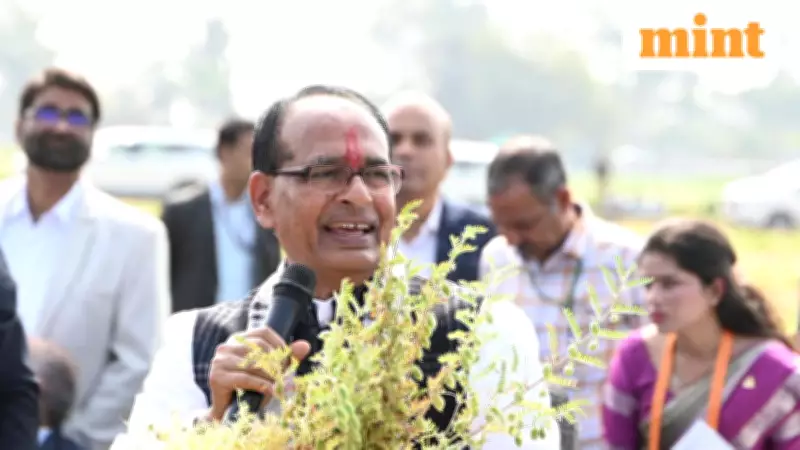
Union Agriculture Minister Shivraj Singh Chouhan launched a sharp attack on the Congress party on Sunday, dismissing its criticism of the newly announced India–US trade agreement. The senior BJP leader and former Madhya Pradesh Chief Minister accused the opposition of failing to connect Indian farmers to global markets during its decades in power, while also alleging it destabilized the national economy.
Complete Protection for Agriculture Sector Asserted
Chouhan firmly stated that the trade pact provides comprehensive protection to India's agriculture sector, keeping farmers' welfare and national interests paramount. He emphasized that critical agricultural products essential to cultivators have been explicitly excluded from the agreement's terms.
"No product has been included in this agreement that would cause even the slightest harm to Indian farmers," Chouhan declared during a press conference at his residence. "Go into the depth of it and see - all those agricultural products which are the core strength of our farmers have been kept out of this agreement. National interest is paramount, farmers' interest is paramount."

Terms of the Interim Trade Agreement
The framework of the interim trade deal, jointly released by New Delhi and Washington on Saturday, outlines that India will eliminate or reduce tariffs on all US industrial goods and select food and agricultural products. In reciprocity, the United States will apply an 18 per cent tariff rate on specific Indian imports, including:
- Textiles and apparel
- Leather and footwear
- Plastic and rubber products
- Organic chemicals
- Certain machinery items
These terms were formalized after US President Donald Trump announced the trade deal earlier in the week, noting Prime Minister Narendra Modi's commitment to halt Russian oil purchases.
Opposition and Farmer Groups Voice Strong Criticism
Multiple farmers' organizations have condemned the agreement, with the Sayunk Kisan Morcha, its non-political breakaway faction, and the All India Kisan Sabha (AIKS) announcing nationwide protests scheduled for February 12. These groups argue the deal jeopardizes Indian agriculture.
In a strongly worded statement issued shortly after the joint release, critics labeled the framework a "total surrender" of Indian agriculture to American multinational corporations. The statement further demanded the immediate resignation of Commerce Minister Piyush Goyal.
The Congress party echoed these sentiments, claiming India has derived no benefit from the pact. Congress media head Pawan Khera alleged the agreement transforms India into a "dumping ground for American products," harming farmers and small-to-medium industries. The party also took a swipe at Prime Minister Modi, suggesting all "huglomacy and photo-ops" with global leaders have yielded little substantive gain for national interests.
Chouhan Rebuts Allegations and Lists Exclusions
Dismissing the opposition's concerns as an "unnecessary hue and cry," Chouhan provided a detailed list of agricultural products receiving no tariff concessions under the deal, ensuring market protection for Indian farmers:

- Core Staples: Meat, poultry, dairy, soybean, maize, rice, wheat, sugar, coarse grains.
- Fruits and Vegetables: Bananas, strawberries, cherries, citrus fruits, green peas, chickpeas, moong, potatoes, onions, peas, beans, cucumbers, mushrooms, frozen vegetables, oranges, grapes, lemons, mixed canned vegetables.
- Dairy Products: Liquid, powdered, and condensed milk; cream, yoghurt, buttermilk, butter, ghee, butter oil, paneer, whey products, cheese.
- Spices: Black pepper, cloves, dried green chillies, cinnamon, coriander, cumin, asafoetida, ginger, turmeric, carom seeds, fenugreek, mustard, rai, and other powdered spices.
Chouhan asserted these exclusions would "ensure the livelihoods of Indian farmer families remain secure." He contrasted the current administration's efforts with the Congress's historical record, noting that at Independence, India had the world's sixth-largest economy, which later fell to 11th position. "Now we are rapidly moving towards the third position," he highlighted.
Support from Uttar Pradesh Chief Minister
Uttar Pradesh Chief Minister Yogi Adityanath voiced strong support for the trade framework, stating it would significantly bolster the state's export-based economy. He emphasized the agreement would provide structural support to MSMEs and labor-intensive industries, while creating long-term investment and employment opportunities.
Adityanath credited the "strong and visionary leadership" of Prime Minister Narendra Modi for achieving a pact that expands global opportunities for Indian exporters while safeguarding farmers' interests and the rural economy.
Key Takeaways from the Trade Deal Debate
- The India-US trade agreement is designed to protect key agricultural products vital to Indian farmers through strategic exclusions.
- Political opposition, led by the Congress party and farmer groups, raises significant concerns about potential negative impacts on domestic agriculture and industry.
- The agreement forms part of a broader economic strategy to enhance India's standing in global markets and stimulate export-led growth.
- High-level government assurances focus on farmer welfare and national interest as central pillars of the negotiated terms.





