

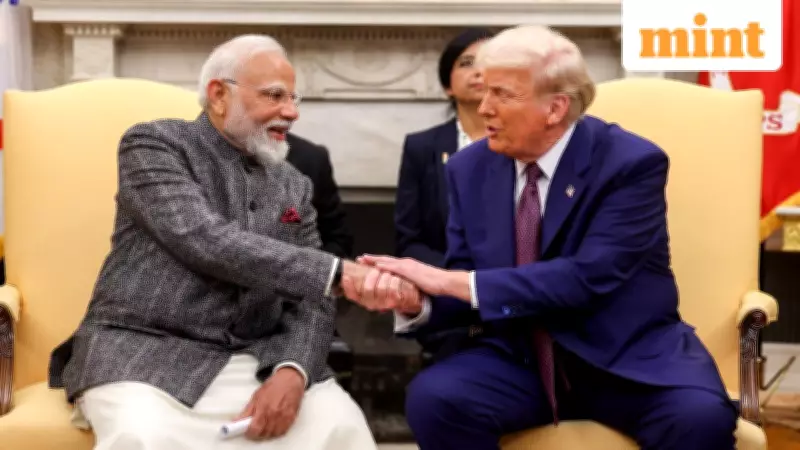
India-US Trade Deal Revival: A New Era of Economic Cooperation
The revival of trade relations between India and the United States has emerged as a pivotal development in global economic diplomacy. After months of uncertainty and strained bilateral ties, the two nations appear to have mended their rift, paving the way for a comprehensive trade accord that promises mutual benefits.
Market Rally and Economic Optimism
Indian equity markets have responded with remarkable enthusiasm to the news of improved India-US relations. The benchmark indices witnessed a significant rally as investors breathed a sigh of relief, ending the shadow of risk that had loomed over American economic dealings with India. This positive sentiment reflects growing confidence in the stability of bilateral economic engagement.
The immediate catalyst for this optimism is the substantial reduction of US import duties on Indian goods from a punitive 50% to a more manageable 18%. This tariff adjustment alone represents a major victory for Indian exporters, particularly those in labor-intensive industries that had been struggling under previous trade barriers.

Beyond Tariffs: Strategic Implications
The significance of this trade deal extends far beyond mere tariff reductions. It signals:
- An end to diplomatic tensions that had complicated economic relations
- Renewed confidence in India as an investment destination for American companies
- Potential integration of Indian manufacturers into American supply chains
- Geopolitical realignment following previous disagreements over various issues
Navigating Complex Negotiations
The path to this agreement has been anything but straightforward. Negotiations faced multiple hurdles, including:
- Agricultural market access concerns, particularly regarding US agri-products entering Indian markets
- Geopolitical tensions stemming from India's energy imports from Russia
- Divergent expectations about the pace and extent of market liberalization
President Donald Trump's public statements suggest he believes concessions were made regarding India's Russian oil imports, though the actual details remain subject to the final agreement's disclosure.
India's Strategic Positioning
India's approach to these negotiations has been characterized by strategic patience and diversification. Even as talks with the US stalled, New Delhi pursued:
- Multiple trade agreements with various global partners
- Progress toward an EU trade pact that enhanced India's negotiating position
- Domestic economic reforms aimed at greater global integration
This multi-pronged strategy appears to have strengthened India's hand in bilateral discussions with the United States.
Balancing Act: Domestic Considerations
As India moves toward finalizing the trade deal, several domestic factors require careful navigation:
- Gradual tariff reduction remains India's preferred approach to market opening
- Agricultural sensitivities necessitate cautious handling of farm imports
- Export competitiveness must be enhanced to balance increased imports from the US
The government faces the delicate task of advancing economic liberalization while protecting domestic interests, particularly those of farmers who represent a significant political constituency.
Future Prospects and Global Integration
The revived India-US trade relationship holds substantial promise for both nations. For India, successful implementation could mean:

- Enhanced export opportunities in the world's largest consumer market
- Greater foreign investment across multiple sectors
- Improved global economic standing through strengthened bilateral ties
- Technology and knowledge transfer through closer economic cooperation
As the details of the agreement are finalized, observers will be watching closely to see how both nations balance their respective economic interests with broader strategic objectives.
The broader lesson from this diplomatic breakthrough is clear: an economy that embraces global trade while protecting its core interests stands to gain significantly in today's interconnected world. For India, this represents both an opportunity and a challenge as it seeks to maximize the benefits of renewed engagement with its most important economic partner.





