

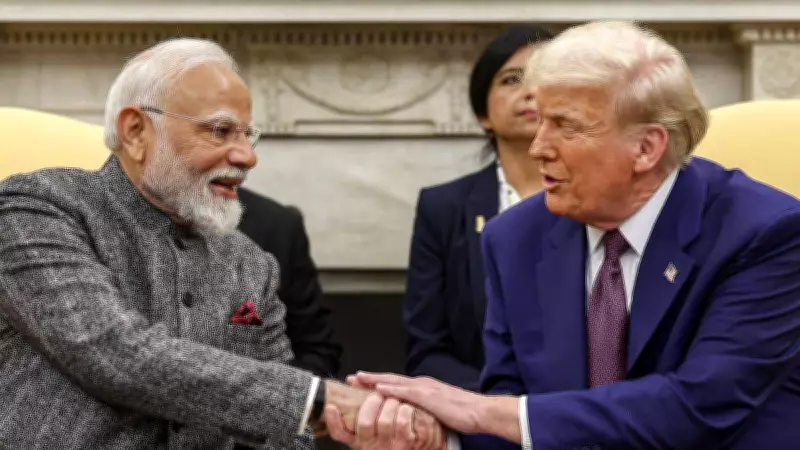
India-US Trade Deal Signals Strategic Shift in Energy, Tech, and Geopolitical Ties
The recent trade agreement between India and the United States represents a significant milestone in bilateral relations, marking a profound shift in how these two major economies collaborate on energy, technology, and geopolitical fronts. This deal is not merely a transactional arrangement but a strategic realignment that could reshape global trade patterns and diplomatic alliances in the coming years.
Energy Cooperation Takes Center Stage
One of the most notable aspects of the India-US trade deal is its strong emphasis on energy cooperation. The agreement facilitates increased trade in liquefied natural gas (LNG) and other energy resources, positioning the United States as a key supplier to India's growing energy market. This move is expected to enhance India's energy security by diversifying its import sources and reducing reliance on traditional suppliers. Moreover, the deal includes provisions for joint investments in renewable energy projects, such as solar and wind power, aligning with both nations' commitments to combat climate change and transition towards sustainable energy solutions.
Technology Partnerships Drive Innovation
In the realm of technology, the trade deal fosters deeper collaboration between Indian and American companies, particularly in sectors like artificial intelligence, cybersecurity, and digital infrastructure. The agreement aims to reduce barriers to technology transfer and intellectual property sharing, enabling faster innovation and adoption of cutting-edge solutions. This partnership is poised to boost India's digital economy, support its Digital India initiatives, and create new opportunities for startups and tech firms in both countries. Additionally, it addresses issues related to data localization and e-commerce, providing a more predictable regulatory environment for businesses operating across borders.

Geopolitical Implications and Strategic Alignment
Beyond economic benefits, the India-US trade deal carries significant geopolitical weight. It signals a closer alignment between the two democracies in countering shared challenges, such as regional security threats and the rise of authoritarian regimes. By strengthening trade ties, India and the United States are enhancing their strategic partnership, which could influence broader geopolitical dynamics in the Indo-Pacific region and beyond. This deal also underscores a shift away from protectionist policies, promoting a rules-based international order that favors open markets and multilateral cooperation.
Economic Impact and Future Prospects
The trade agreement is expected to have a positive impact on both economies, boosting exports, creating jobs, and fostering economic growth. Key sectors set to benefit include:
- Manufacturing: Increased access to markets and reduced tariffs on goods.
- Services: Enhanced opportunities in IT, finance, and healthcare.
- Agriculture: Trade facilitation for products like almonds, apples, and rice.
Looking ahead, this deal could pave the way for more comprehensive trade pacts, such as a potential free trade agreement, further solidifying the India-US relationship. It also sets a precedent for other nations seeking to deepen economic ties with India, highlighting the country's growing importance in the global economy.
In summary, the India-US trade deal is a transformative development that goes beyond traditional trade metrics. It reflects a strategic convergence on energy, technology, and geopolitics, positioning both nations for a more collaborative and influential role on the world stage. As implementation progresses, stakeholders will be watching closely to see how this partnership evolves and impacts global trade and diplomatic relations.






