

India-US Trade Agreement Ignites Fierce Debate Over Genetically Modified Animal Feed Imports
The proposed elimination or reduction of tariffs on distiller dried grains with solubles (DDGS) for animal feed under the India-United States trade deal has become a flashpoint of intense debate among agricultural experts, farmers, and environmentalists across the nation. The core of the controversy revolves around fears that allowing cheap imports of this high-protein feed ingredient could serve as a backdoor entry for genetically modified (GM) products, which are largely prohibited for commercial cultivation in India except for Bt cotton.
What is DDGS and Why is it Contentious?
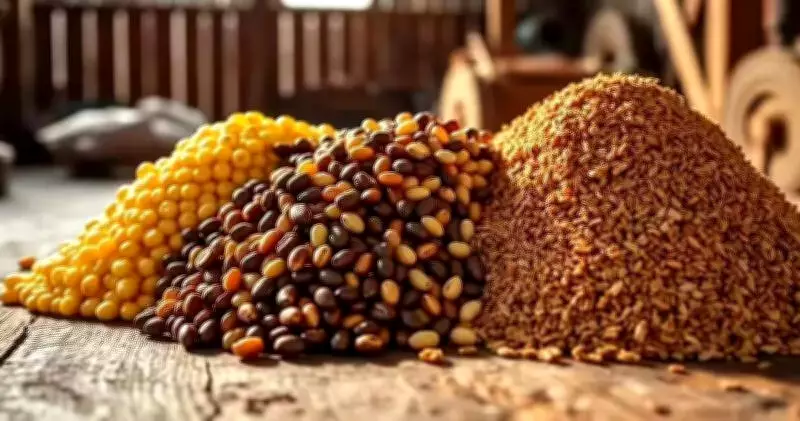
DDGS is a nutrient-rich byproduct of ethanol production, created by drying the residue left after grain fermentation. It contains concentrated protein, fiber, fat, and minerals, making it a cost-effective and high-quality animal feed ingredient widely used for poultry and cattle. Under the key terms of the interim trade agreement between India and the US, India is considering eliminating or reducing tariffs on a wide range of American agricultural products, including DDGS, red sorghum for animal feed, tree nuts, fresh and processed fruits, soybean oil, wine, spirits, and additional items.
Voices of Concern from Agricultural Leadership
Satbir Singh Gosal, the Vice-Chancellor of Punjab Agricultural University (PAU), the country's premier agriculture institution, has voiced significant apprehension regarding this development. In a statement to the media, Gosal emphasized that currently, only Bt cotton utilizing GM technology is permitted for commercial production in India. Despite extensive field trials and substantial financial investments in exploring GM mustard and GM brinjal under biosafety regulations, these crops have not been approved for commercial cultivation.

"Under such circumstances, allowing the import of DDGS with the lowest tariffs may be seen as a cause for concern," Gosal stated. "The United States extensively employs GM technology in various crops, and with imports of DDGS, we fear we will be permitting probable GM products into the country."
Gosal further expressed bewilderment at the situation, noting that India remains hesitant to adopt GM technology domestically despite vast studies, yet appears open to importing GM products from nations like the US, Canada, and Australia.
The Broader Context of GM Imports and Domestic Policy
The debate extends beyond DDGS to highlight existing contradictions in India's agricultural import policy. While the country has largely resisted GM crops since allowing Bt cotton in 2002 to combat the American Bollworm pest, it already imports products derived from GM technology. For instance, canola cultivated in the US using GM methods and maize used in processed foods like corn flakes are imported into India. Additionally, cottonseed oil produced from genetically modified Bt cotton plants is commonly used.
Environmentalists, agricultural experts, and farmers argue that permitting DDGS imports, even for animal feed, violates the precautionary biosafety framework against Genetically Engineered (GE) organisms. They warn that this could harm the interests of farmers engaged in maize and soybean cultivation while also negatively impacting the poultry and dairy sectors.
Farmer Opposition and Policy Implications
Jagmohan Singh, a farmer leader from the Sanyukt Kisan Morcha, has been vocal in his opposition. "We have consistently opposed GM crops in the country, and allowing concessional DDGS is essentially permitting GM technology through the back door," he asserted. "This move contradicts the spirit of India's anti-GM-free agriculture policy and undermines our efforts to maintain sustainable farming practices."
The ongoing discussions underscore a critical juncture in India's trade and agricultural policies, balancing economic agreements with biosafety concerns and the livelihoods of millions of farmers. As negotiations progress, stakeholders continue to call for rigorous scrutiny and transparent dialogue to ensure that any decisions align with the nation's long-term agricultural and environmental goals.






