

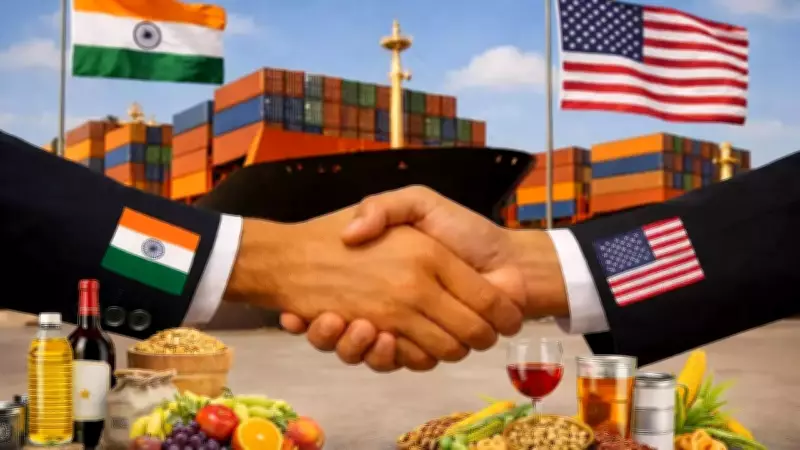
India and United States Announce Framework for Interim Trade Agreement with Reciprocal Tariff Reductions
In a significant development aimed at easing bilateral trade tensions, India and the United States have jointly announced a framework for an interim trade agreement that includes substantial tariff reductions on a wide range of products. According to a joint statement released on Saturday, India will eliminate or significantly reduce tariffs on numerous US food and agricultural imports, a move expected to make American products more affordable for Indian consumers.
Key Products Affected by Indian Tariff Cuts
The interim agreement outlines specific American exports that will benefit from reduced Indian tariffs. These include:
- Dried distillers’ grains (DDGs) used in animal feed
- Red sorghum for livestock consumption
- Various tree nuts including almonds and walnuts
- Fresh and processed fruits such as apples, cherries, and berries
- Soybean oil for cooking and industrial uses
- Wine and spirits including premium American whiskeys and wines
These tariff adjustments represent part of reciprocal commitments designed to improve market access for both nations while addressing longstanding trade imbalances.

US Reciprocal Tariff Reductions on Indian Goods
In a corresponding move, the United States has committed to reducing tariffs on Indian-origin goods from the current 50% rate down to 18%. This substantial reduction comes after months of strained trade relations, with the higher duties originally imposed when trade negotiations stalled earlier this year.
The US will apply the 18% tariff rate to several key Indian export categories:
- Textiles and apparel including cotton garments and fabrics
- Leather products and footwear
- Plastics and chemical products
- Home décor items and artisanal goods
- Certain machinery and industrial equipment
Furthermore, the United States has indicated it will remove reciprocal tariffs entirely on additional Indian exports once the interim agreement is successfully concluded. This expanded list includes generic pharmaceuticals, gems and diamonds, and aircraft parts—sectors where India has significant export potential.
Addressing Non-Tariff Barriers and Broader Commitments
The framework agreement goes beyond simple tariff adjustments to address more complex trade issues. India has specifically agreed to tackle long-standing non-tariff barriers that have hampered US exports in several critical sectors:
- Medical devices and healthcare equipment
- Information and communication technology goods
- Food safety and agricultural product regulations
Both nations have also committed to establishing clear rules of origin to ensure that trade benefits primarily accrue to India and the United States rather than third-party countries attempting to circumvent trade regulations.
Additional Framework Components and Future Negotiations
The interim agreement includes several other significant elements that demonstrate the comprehensive nature of the trade understanding:
Both countries have agreed to ease tariffs on certain aircraft and aircraft parts, which could benefit India's growing aviation sector while supporting American aerospace manufacturers.
The framework establishes cooperation on supply chain resilience initiatives, recognizing the importance of diversified and secure supply networks in the post-pandemic global economy.
Digital trade barriers will be addressed through mutual consultations, potentially creating more opportunities for technology exchange and e-commerce between the two nations.
In a notable commitment, India has indicated its intention to purchase approximately $500 billion worth of US products over the next five years. This substantial procurement plan includes:

- Energy products including liquefied natural gas (LNG)
- Aircraft and aircraft components
- Precious metals and minerals
- Advanced technology products
- Coking coal for steel production
Historical Context and Future Prospects
This interim agreement framework represents a significant breakthrough in US-India trade relations that have experienced considerable strain in recent years. The higher US tariffs on Indian goods were partially implemented in August when Washington expressed concerns about New Delhi's economic engagement with Russia amid the Ukraine conflict.
The current negotiations trace back to February 2025 when Prime Minister Narendra Modi and then-US President Donald Trump launched formal talks toward a comprehensive bilateral trade agreement. Those discussions had stalled multiple times before this interim framework was developed.
Both countries have emphasized that this interim agreement serves as a stepping stone toward their longer-term objective: concluding a mutually beneficial comprehensive bilateral trade agreement. The joint statement specifically reaffirmed their commitment to continue negotiations on this broader pact.
Implementation teams from both nations will now work toward promptly finalizing the interim agreement details and beginning the phased implementation of tariff reductions and other commitments outlined in the framework.





