

India and United States Forge Interim Trade Agreement, Slashing Tariffs and Boosting Economic Ties
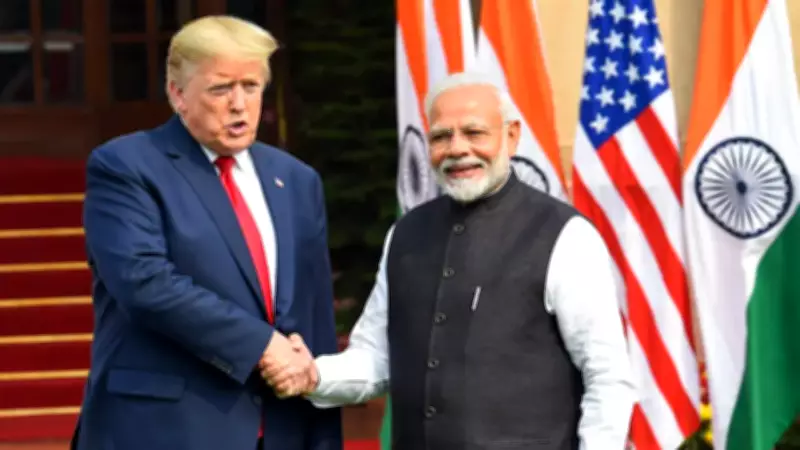
Prime Minister Narendra Modi on Saturday hailed the newly announced India-US interim trade agreement as a pivotal advancement in fortifying economic relations between the two nations. In a social media post, PM Modi expressed his gratitude to President Donald Trump for his dedication to enhancing bilateral ties, emphasizing that this framework underscores the deepening trust and dynamic partnership shared by India and the United States.
Key Provisions of the Interim Trade Framework
The joint statement released by both countries outlines a significant reduction in tariffs on Indian goods entering the US market, decreasing from 50% to 18%. This move follows months of intense negotiations after trade discussions had stalled due to Washington's imposition of high tariffs on Indian imports earlier this year.
Under the interim deal, the United States will apply lower tariffs to a wide array of Indian products, including textiles and apparel, leather and footwear, plastic and rubber goods, organic chemicals, home décor items, artisanal products, and select machinery. Additionally, upon successful conclusion of the agreement, Washington has committed to removing tariffs on further Indian exports such as generic pharmaceuticals, gems and diamonds, and aircraft parts.

Reciprocal Benefits and Agricultural Safeguards
In return, India will eliminate or reduce tariffs on all US industrial goods and a broad range of food and agricultural products. This includes dried distillers’ grains, red sorghum for animal feed, tree nuts, fresh and processed fruit, soybean oil, wine, and spirits. Union Commerce and Industry Minister Piyush Goyal assured that the agreement fully protects India's agriculture sector, with sensitive farm and dairy products like maize, wheat, rice, soya, poultry, milk, cheese, ethanol for fuel, tobacco, certain vegetables, and meat being safeguarded.
Major Economic Commitments and Job Creation
The framework also details India's intention to purchase $500 billion worth of US energy products, aircraft and aircraft parts, precious metals, technology products, and coking coal over the next five years. This substantial commitment is anticipated to significantly expand bilateral trade and contribute to global economic growth.
Minister Goyal highlighted that the pact opens up a massive $30 trillion market for Indian exporters, particularly benefiting micro, small, and medium enterprises (MSMEs), farmers, and fishermen. He projected that this agreement will generate lakhs of employment opportunities for women and youth across the country.
Digital Trade and Non-Tariff Barrier Resolution
Both nations have agreed to enhance digital and technology trade by addressing barriers to digital commerce, increasing trade in technology products such as GPUs and data center equipment, and expanding joint technology cooperation. The framework includes steps to remove non-tariff barriers affecting bilateral trade, with India committing to address issues related to US medical devices, information and communication technology goods, and food and agricultural products within six months.
Energy Security and Broader Trade Negotiations
While the agreement does not confirm an end to Indian oil imports from Russia, the government has reiterated that energy security remains a top priority. Ministry of External Affairs spokesperson Randhir Jaiswal stated that diversifying energy sourcing in line with market conditions and international dynamics is central to India's strategy.
The interim framework reaffirms both sides' commitment to negotiations on a broader US-India Bilateral Trade Agreement, which was launched by PM Modi and President Trump in February 2025. This interim deal paves the way for finalizing the agreement and advancing comprehensive bilateral trade discussions, with potential for further tariff reductions in the future.






