

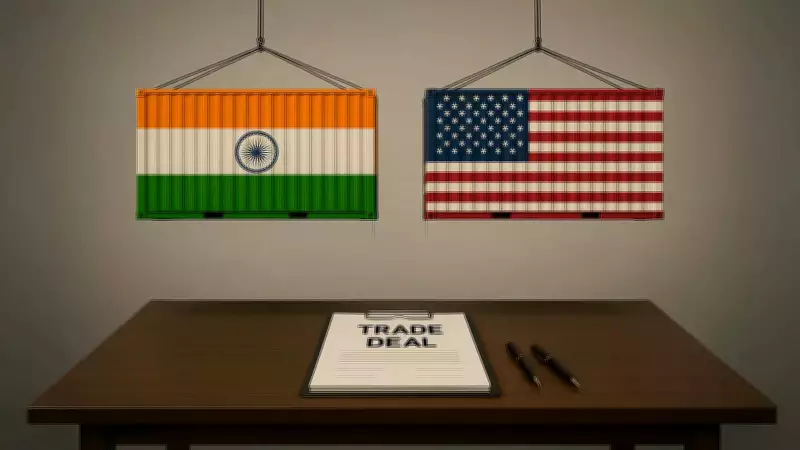
India and United States Forge Historic Trade Agreement with Major Tariff Reductions
In a significant development for global trade relations, India and the United States issued a joint statement on Saturday detailing a newly announced trade pact. This landmark agreement will see tariffs on Indian products entering the US market dramatically reduced from 50% to 18%, marking a pivotal shift in bilateral economic cooperation.
Months of Negotiations Culminate in Framework Deal
The announcement follows extensive negotiations that commenced in February 2025, reflecting a concerted effort by both nations to strengthen trade ties. The framework establishes an Interim Agreement, which serves as a precursor to a comprehensive US-India Bilateral Trade Agreement (BTA). This interim pact is hailed as a historic milestone, demonstrating a shared commitment to reciprocal and balanced trade based on mutual interests.
Key Benefits for Indian Exports
For India, the deal promises substantial gains across multiple sectors. The US will apply a reciprocal tariff rate of 18% on a wide array of Indian goods, including:

- Textiles and apparel
- Leather and footwear
- Plastic and rubber goods
- Organic chemicals
- Home decor items
- Artisanal products
- Select machinery
Furthermore, contingent on the successful conclusion of the Interim Agreement, the US will remove reciprocal tariffs on additional goods such as generic pharmaceuticals, gems and diamonds, and aircraft parts. This move is expected to significantly boost Indian exports and enhance market access.
Concessions from India to the United States
In return, India has agreed to eliminate or reduce tariffs on all US industrial goods and a broad selection of American agricultural and food products. Key items benefiting from these concessions include:
- Dried distillers’ grains (DDGs)
- Red sorghum for animal feed
- Tree nuts
- Fresh and processed fruits
- Soybean oil
- Wine and spirits
This reciprocal arrangement aims to create a more balanced trade relationship, addressing long-standing barriers and fostering economic growth for both countries.
Addressing Non-Tariff Barriers and Enhancing Cooperation
The agreement also focuses on resolving non-tariff barriers that have historically impeded bilateral trade. India has committed to addressing issues related to US medical devices, eliminating restrictive import licensing procedures for Information and Communication Technology (ICT) goods, and working towards accepting US or international standards for certain exports within six months of the agreement's implementation.
Additionally, both nations have pledged to strengthen economic security alignment to enhance supply chain resilience and innovation. This includes cooperation on investment reviews, export controls, and efforts to combat non-market policies of third parties.
Future Commitments and Economic Projections
Looking ahead, India intends to purchase $500 billion worth of US energy products, aircraft and aircraft parts, precious metals, technology products, and coking coal over the next five years. The two countries also plan to significantly increase trade in technology products, such as Graphics Processing Units (GPUs) and other data center goods, while expanding joint technology cooperation.
The framework sets the stage for further negotiations on the BTA, with the US affirming its intention to consider India's request for continued tariff reductions on Indian goods. Both nations have committed to promptly implementing this framework and working towards finalizing the Interim Agreement, with the ultimate goal of concluding a mutually beneficial BTA.
This development underscores the deepening economic partnership between India and the United States, promising to unlock new opportunities for trade and investment while addressing key bilateral concerns.






