

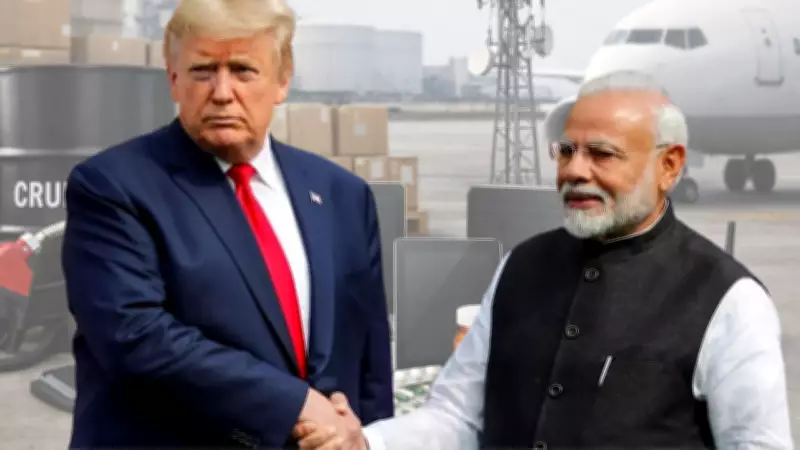
India and the United States Forge Interim Trade Agreement Framework
India and the United States have officially announced a framework for an interim trade agreement, marking a significant step in bilateral economic relations. Under this pact, the United States has agreed to slash its reciprocal tariffs on a broad spectrum of Indian goods, reducing them to 18 per cent from the previous high of 50 per cent. This move is poised to enhance trade flows between the two nations, fostering greater commercial cooperation.
Safeguarding India's Agricultural Interests
In a joint statement, it was emphasized that India's agriculture market has been effectively ring-fenced to protect domestic farmers and rural livelihoods. Commerce Minister Piyush Goyal highlighted in a social media post that the agreement underscores India's unwavering commitment to safeguarding sensitive agricultural and dairy products. He noted that no duty concessions have been granted on items deemed "sensitive," ensuring that key sectors remain insulated from potential import surges.
The protected categories include:

- Staple grains and cereals such as wheat, rice, maize, and millets
- Dairy products like milk, cheese, butter, and ghee
- Vegetables and pulses, including potatoes, peas, and beans
This protection is designed to prevent any adverse impact on the economic backbone of India's rural economy, which relies heavily on agriculture and dairy farming.
Expanding Market Access for Indian Exports
While sensitive products are shielded, the interim deal opens up substantial opportunities for Indian exporters. The reduction of US tariffs to 18 per cent applies to a wide range of goods, including textiles, footwear, pharmaceuticals, and aircraft parts. This is expected to boost India's export competitiveness in the lucrative US market, potentially driving economic growth and job creation in these sectors.
Indian exporters stand to benefit from expanded access in areas such as:
- Textiles and apparel
- Leather and footwear
- Plastic and rubber products
- Organic chemicals and pharmaceuticals
- Home décor and artisanal products
Reciprocal Benefits for US Products
In return, India has agreed to open its markets to select US industrial and agricultural products. These include dried distillers' grains, red sorghum for animal feed, tree nuts, fresh and processed fruits, soybean oil, wine, and spirits. This reciprocal access aims to balance trade interests and promote mutual economic gains.
Political Reactions and Concerns
The agreement has not been without controversy. Opposition MPs have staged protests and walkouts in Parliament, demanding a thorough debate on the deal. Their concerns primarily revolve around the potential impact of agricultural imports on Indian farmers' livelihoods, highlighting the need for ongoing scrutiny and dialogue to ensure that rural economies are not compromised.
This interim trade deal represents a pivotal moment in India-US relations, blending market liberalization with strategic protections to support domestic industries while fostering international trade growth.






