

India-US Interim Trade Framework to Unlock $30 Trillion Market for Indian Exporters
The recently unveiled interim trade framework between India and the United States is poised to deliver a monumental boost to Indian exporters, particularly benefiting micro, small, and medium enterprises (MSMEs), farmers, and fishermen. This landmark agreement will dramatically reduce US import duties on Indian goods from a steep 50 percent down to a more competitive 18 percent, effectively opening access to a colossal $30 trillion market.
Political Leaders Hail the Agreement as a Transformative Milestone
From Prime Minister Narendra Modi to key cabinet ministers, Indian leaders have enthusiastically welcomed the interim framework, which was jointly announced by the two nations. According to the official joint statement, both countries are committed to promptly implementing this framework and working diligently towards finalizing the interim agreement, with the ultimate goal of concluding a comprehensive and mutually beneficial Bilateral Trade Agreement (BTA).
Prime Minister Narendra Modi described the development as "great news" and extended his gratitude to US President Donald Trump for his personal dedication to strengthening bilateral relations. Modi emphasized that this framework underscores the deepening trust and dynamic nature of the India-US partnership. He highlighted that it will fortify the "Make in India" initiative by creating fresh opportunities for India's diligent farmers, entrepreneurs, MSMEs, startup innovators, and fishermen, while also generating extensive employment for women and youth. Furthermore, Modi noted that the agreement will enhance resilient and trusted global supply chains and contribute to worldwide economic growth, aligning with India's vision of building a "Viksit Bharat" (Developed India) through future-oriented global partnerships.

Key Ministers Outline the Economic and Social Benefits
Finance Minister Nirmala Sitharaman confirmed the issuance of the joint statement, which announces "a framework for an Interim Agreement regarding reciprocal and mutually beneficial trade." She reiterated India's steadfast commitment to negotiating the broader US-India Bilateral Trade Agreement.
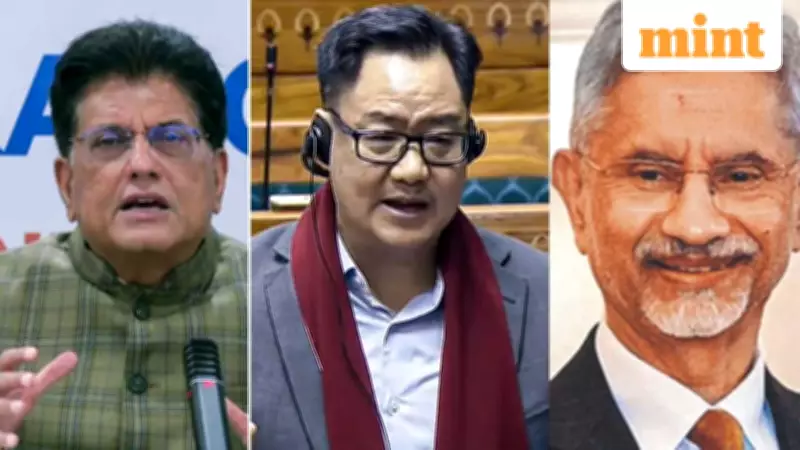
Union Minister Kiren Rijiju congratulated the citizens of both India and the United States on this significant framework. He attributed this achievement to the leadership of Prime Minister Narendra Modi, stating that such agreements with major nations will primarily advantage Indian exporters, especially MSMEs, farmers, and fishermen. Rijiju projected that the anticipated surge in exports will create hundreds of thousands of new job opportunities for women and youth across India.
External Affairs Minister S. Jaishankar expressed confidence that the framework will realize a mutually beneficial India-US trade partnership. He pointed out that it will ensure greater market access and opportunities for Indian exporters, thereby opening new vistas that will further promote the "Make in India" campaign.
Commerce Minister Piyush Goyal specifically highlighted the $30 trillion market access for Indian exporters, with a focus on MSMEs, farmers, and fishermen. He echoed the sentiment on job creation, noting that increased exports will generate lakhs of new employment opportunities for women and youth. Goyal also underscored that the agreement reflects India's unwavering commitment to protecting farmers' interests and sustaining rural livelihoods by fully safeguarding sensitive agricultural and dairy products. This includes items such as maize, wheat, rice, soya, poultry, milk, cheese, ethanol (fuel), tobacco, certain vegetables, and meat. He concluded by affirming that this pact will enable India and the US to concentrate on deepening economic cooperation, reflecting a shared dedication to sustainable growth for their people and businesses, ultimately contributing to the realization of "Viksit Bharat."

Key Takeaways from the Interim Trade Agreement
- The interim trade agreement will lead to a substantial reduction in US tariffs on Indian goods, lowering them from 50 percent to 18 percent.
- The deal is projected to unlock a $30 trillion market, providing significant benefits to MSMEs and the agricultural sector.
- Political leaders consistently emphasize job creation and enhanced economic cooperation as primary outcomes of this agreement.
- The framework is designed to protect sensitive Indian agricultural and dairy products, ensuring the interests of farmers and rural communities are safeguarded.
- This interim step is viewed as a precursor to a more comprehensive Bilateral Trade Agreement, signaling a strengthened and forward-looking partnership between India and the United States.





