

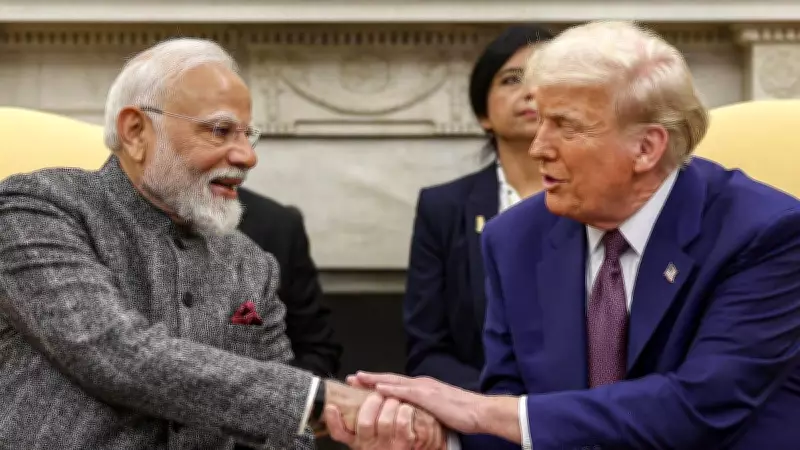
India-US Trade Deal Negotiations Stalled Over Russia-Linked Penalty Levy
The much-anticipated trade deal between India and the United States is facing significant uncertainty, primarily due to unresolved issues surrounding a penalty levy that is intricately tied to Russia. This development has cast a shadow over the progress of bilateral trade negotiations, which have been ongoing for several years with the aim of strengthening economic ties between the two nations.
Key Sticking Point in Trade Talks
At the heart of the impasse is a penal levy that the United States has proposed, which is directly connected to Russia. This levy is part of broader sanctions and trade measures that the US has implemented against Russia, and it has now become a contentious point in the India-US trade discussions. Indian officials have expressed concerns about the implications of such a levy, arguing that it could unfairly impact Indian businesses and trade flows.
The uncertainty over this penalty has led to a slowdown in the negotiation process, with both sides struggling to find common ground. This issue highlights the complex interplay between global geopolitics and bilateral trade agreements, where external factors like international sanctions can significantly influence domestic trade policies.

Impact on Bilateral Economic Relations
The stalled trade deal is having a tangible impact on India-US economic relations. Without a clear resolution, both countries risk missing out on potential benefits such as increased market access, reduced tariffs, and enhanced cooperation in key sectors like technology, agriculture, and manufacturing. The delay is also affecting investor confidence, as businesses on both sides await clarity on the future of trade relations.
Moreover, this uncertainty comes at a time when both India and the US are seeking to diversify their trade partnerships and reduce dependencies on other economies. The inability to finalize the deal could hinder these strategic goals, potentially leaving gaps in their economic strategies.
Broader Implications for Global Trade
The situation underscores the challenges of navigating trade agreements in an era of heightened geopolitical tensions. As countries like the US impose sanctions on nations like Russia, these measures can have ripple effects on third-party countries involved in trade negotiations. For India, balancing its relationships with major powers like the US and Russia while protecting its own economic interests is a delicate task.
Experts suggest that resolving this issue will require diplomatic finesse and a willingness to compromise from both sides. Possible solutions might involve adjusting the terms of the penalty levy or finding alternative mechanisms to address US concerns without unduly burdening Indian trade.
Looking Ahead: Prospects for Resolution
Despite the current uncertainty, there is hope that the India-US trade deal can still be salvaged. Both nations have a strong interest in deepening their economic partnership, and ongoing dialogues at various levels indicate a commitment to finding a way forward. Key areas of focus in the negotiations include:
- Addressing the specifics of the penalty levy and its applicability to Indian entities.
- Exploring exemptions or waivers that could mitigate the impact on bilateral trade.
- Enhancing transparency and communication to build trust between the negotiating teams.
In conclusion, while the penalty levy tied to Russia remains a significant hurdle, the broader stakes of the India-US trade relationship suggest that efforts to overcome this challenge will continue. The outcome of these negotiations will not only shape bilateral trade but also signal how global trade dynamics are evolving in response to geopolitical shifts.






