

India-US Trade Agreement Finalized with Major Tariff Reductions and Zero-Duty Exports
Commerce and Industry Minister Piyush Goyal announced on Saturday that the landmark India-United States trade agreement is set to provide a significant boost to Indian exports. The deal, which is expected to be formally signed in the coming days, features a competitive reciprocal tariff rate of 18%, a substantial reduction from the previous 50% rate.
"The 50% reciprocal tariff has been reduced to 18%, which is lower compared to our neighboring countries, and will provide tremendous assistance to our exporters," Goyal stated. "This agreement brings new hopes and opportunities to India's growth narrative, enhancing our global trade competitiveness."
Comprehensive List of Indian Exports to Face Zero Tariffs in the US Market
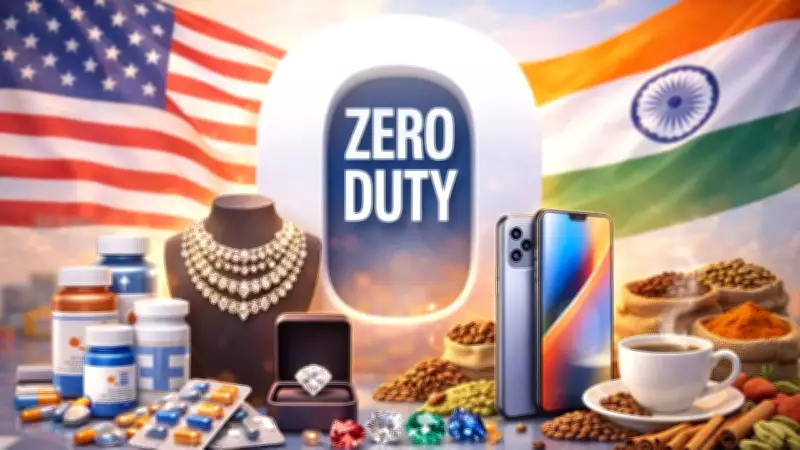
Minister Goyal detailed an extensive list of Indian products that will benefit from complete elimination of import duties when exported to the United States. These zero-tariff items span multiple sectors and include:

- Gems and diamonds
- Pharmaceutical products, particularly generic medicines
- Aircraft parts and components
- Smartphones (continuing existing zero-duty status)
- Traditional Indian spices
- Tea and coffee products
- Coconut and coconut oil
- Various nuts including areca nut, Brazil nut, cashew nut, and chestnut
- Vegetable wax products
- Fresh fruits including avocado, banana, mango, and pineapple
- Mushrooms and select bakery products
"Tariffs will be eliminated entirely on a wide range of goods, including generic pharmaceuticals, gems and diamonds, and aircraft parts, thereby substantially enhancing India's export competitiveness and supporting the Make in India initiative," Goyal elaborated.
Strategic Exemptions and Agricultural Protection in the Bilateral Agreement
The Commerce Minister emphasized that India has secured crucial exemptions under Section 232 for aircraft parts, obtained tariff rate quotas for auto components, and achieved negotiated outcomes for generic pharmaceuticals. These measures are projected to generate tangible export gains across these strategic sectors.
Goyal provided additional clarification regarding agricultural protections, stating: "Agricultural products from Indian farmers will be exported to the United States at zero duty. Simultaneously, no tariff concessions have been granted for agricultural products from US farmers entering the Indian market."
The Minister further asserted that India's sensitive agricultural and dairy sectors will remain fully protected under the agreement. He explicitly confirmed that no genetically modified products from the United States will be permitted entry into India as part of this trade arrangement.
Broader Economic Implications and Purchase Commitments
The trade agreement follows the joint announcement earlier this week by US President Donald Trump and Indian Prime Minister Narendra Modi. Beyond tariff reductions, India has signaled its intention to purchase approximately $500 billion worth of American products over the next five years.
This substantial procurement commitment encompasses US energy resources, aircraft and aircraft parts, precious metals, advanced technology products, and coking coal. The comprehensive nature of this agreement represents a significant milestone in India-US economic relations, potentially reshaping bilateral trade patterns and creating new opportunities for Indian exporters across multiple industries.
The reduced 18% tariff rate, combined with zero-duty access for key export categories, positions Indian products more competitively in the lucrative US market while safeguarding domestic agricultural interests and maintaining regulatory controls on sensitive imports.






