

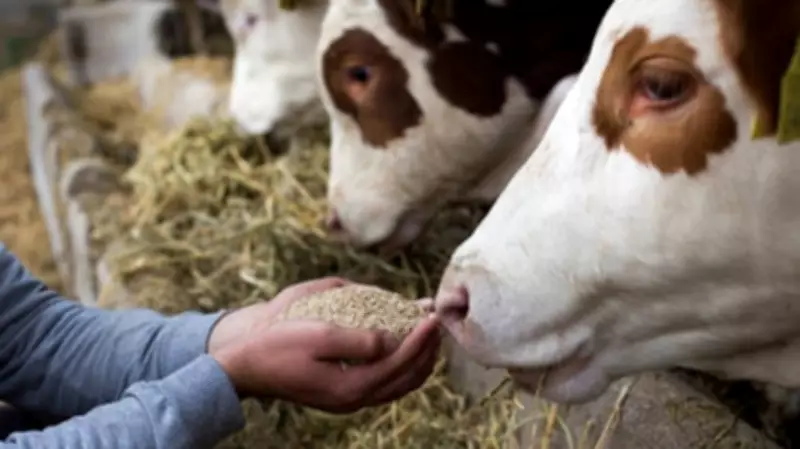
Industry Awaits Clarity on Soybean Oil, Animal Feed Tariff Cuts in Indo-US Trade Pact
As India and the United States continue their high-stakes trade negotiations, a significant focus for the Indian industry remains on securing clarity regarding potential tariff reductions for key agricultural imports, specifically soybean oil and animal feed. Stakeholders across the agribusiness and manufacturing sectors are keenly observing the talks, anticipating decisions that could reshape import dynamics and supply chain costs.
Current Import Landscape and Duty Structure
Presently, India's import volume of soybean oil from the United States is relatively modest, estimated at approximately 150,000 to 200,000 tonnes annually. However, this product faces a substantial cumulative import duty of 16.5 percent, which acts as a significant barrier to increased trade flows.
The detailed breakdown of this tariff structure is as follows:

- Basic Customs Duty: A foundational levy of 10 percent applied to the imported value of the soybean oil.
- Agriculture Infrastructure and Development Cess (Agri-cess): An additional 5 percent charge specifically earmarked for funding agricultural infrastructure projects within India.
- Education Cess: A further 1.5 percent surcharge, contributing to national education initiatives.
This multi-layered duty framework significantly increases the landed cost of American soybean oil in the Indian market, influencing procurement decisions for edible oil refiners, food processors, and related industries.
Industry Expectations and Strategic Implications
The prospect of tariff concessions within a broader Indo-US trade agreement has generated considerable interest. Industry representatives argue that reducing or eliminating these duties could lead to several strategic outcomes:
- Enhanced Supply Chain Diversification: Lower tariffs would make US-origin soybean oil a more competitive and reliable source, helping India diversify its import basket away from traditional suppliers and potentially stabilizing domestic prices.
- Cost Reduction for Downstream Industries: Cheaper raw material inputs could lower production costs for sectors dependent on soybean oil and animal feed, including the food processing, poultry, and dairy industries, potentially benefiting end consumers.
- Strengthened Bilateral Trade Ties: A mutually beneficial agreement on agricultural tariffs is seen as a cornerstone for deepening the overall economic partnership between the two nations, paving the way for cooperation in other sectors.
However, the negotiations are complex, balancing India's need to protect its domestic agricultural stakeholders with the objective of securing favorable terms for its processing and manufacturing base. The industry's wait for definitive clarity continues as both governments work towards a balanced and comprehensive trade pact.






