

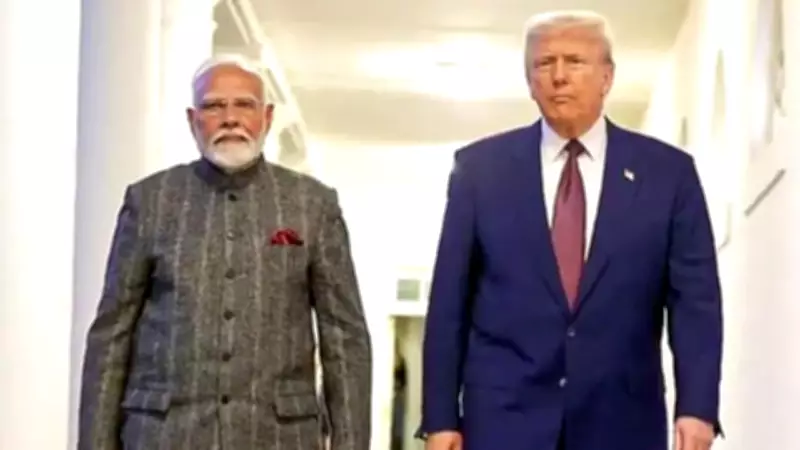
India-US Trade Negotiations Deferred as Key Meeting Rescheduled
NEW DELHI: India and the United States have officially postponed a pivotal meeting between their chief trade negotiators, which was originally scheduled to occur this week in Washington, D.C. According to government sources, this high-level session was intended to finalize the legal text of the proposed interim bilateral trade agreement between the two nations.
Delegation Plans Altered Amid Evolving Circumstances
The Indian delegation, spearheaded by chief negotiator Darpan Jain, had been prepared to travel to the U.S. capital for intensive discussions with U.S. Trade Representative Jamieson Greer. However, both parties have now mutually agreed to defer the visit. Officials indicate that new dates will be determined based on "mutually convenient" timing after a thorough assessment of the "latest developments" in the trade landscape.
This postponement unfolds despite recent public assurances from U.S. President Donald Trump, who stated on Friday that the India trade deal remains "on track." President Trump emphasized that India would continue to adhere to the 18% tariffs established under the interim framework, highlighting the ongoing commitment from both sides.

Tariff Structure and Legal Considerations
Under the proposed interim arrangement, India has consented to reduce tariffs on a majority of imported items. In return, the United States has agreed to lower its reciprocal tariffs to 18%. Nevertheless, specific sectoral tariffs will persist at higher rates, including:
- 50% tariffs on iron and steel products
- 50% tariffs on copper and aluminium items
- 50% tariffs on automobiles and auto parts
Indian authorities are meticulously monitoring the Trump administration's response to a recent U.S. Supreme Court decision concerning tariffs. Some officials suggest there may be room for negotiation since the interim trade agreement has not yet been formally signed. "India has not signed the agreement yet, so there may be some scope for a dialogue. But we will wait and see how the U.S. government responds to the ruling," an official commented, noting that it is premature to fully gauge the impact of the court's decision.
Implications of the Rescheduling
The rescheduling of the negotiators' meeting signals that both India and the United States may be reassessing certain aspects of the interim pact. This reevaluation is driven by evolving legal and political developments within the United States, even as public statements from Washington continue to affirm that trade talks are progressing smoothly. The delay underscores the complex interplay between international diplomacy, domestic legal frameworks, and economic strategy in shaping bilateral trade agreements.






