

India-US Trade Agreement: A Deep Dive into Agricultural Implications
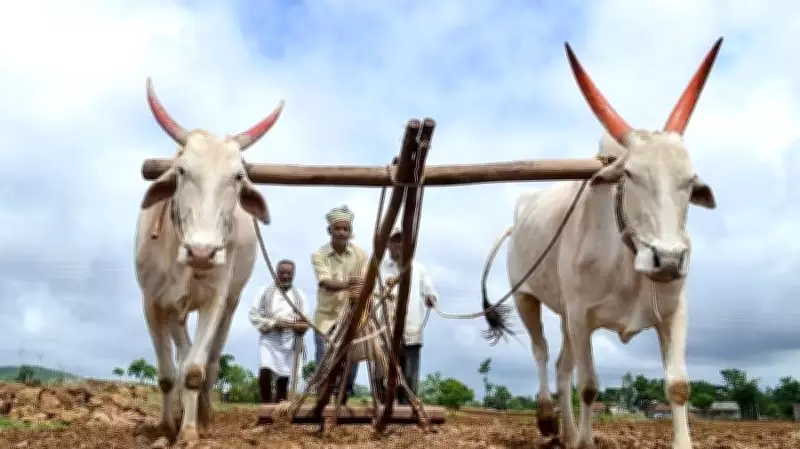
The recently issued India-US joint statement has revealed a significant development in bilateral trade relations. According to reports, India successfully resisted broad pressure from Washington to extensively liberalize its agricultural market. This strategic pushback underscores New Delhi's commitment to protecting its domestic farming sector, which involves millions of livelihoods.
Key Import Concessions and Their Stakeholders
The trade pact includes specific provisions for duty-free or concessional imports of certain agricultural products. A critical examination reveals distinct winners and losers in this arrangement.
Potential Beneficiaries:

- Importers and Processors: Industries reliant on Distillers' Dried Grains with Solubles (DDGS) and soyoil may gain from reduced input costs, potentially lowering production expenses for animal feed and food processing.
- Consumers: Increased availability of imported items like apples and dry fruits could lead to more competitive pricing and variety in the market.
- Export-Oriented Sectors: Some Indian agricultural exporters might benefit from reciprocal trade concessions, accessing the US market more easily.
Potential Challenges for Domestic Producers:
- Cotton Farmers: The allowance for duty-free cotton imports raises concerns about price undercutting, which could adversely affect Indian cotton growers competing with cheaper foreign produce.
- Apple and Dry Fruit Growers: Concessional imports of apples and dry fruits may threaten local farmers in regions like Himachal Pradesh and Jammu & Kashmir, who might struggle to match the scale and pricing of US imports.
- Oilseed Cultivators: Soyoil imports could impact domestic soybean and other oilseed farmers, potentially reducing demand for locally produced oils.
Balancing Act: Protection vs. Liberalization
India's approach in the trade negotiations appears to be a careful balancing act. By limiting broad market opening, the government aims to shield its vast agricultural community from sudden foreign competition. However, the selective import concessions suggest a willingness to integrate into global trade networks where it aligns with economic strategy.
The long-term impact on Indian farmers remains a topic of intense debate. While some may face increased competition, others could gain from technological exchanges and improved market access. The success of this pact will largely depend on implementation policies and support measures for vulnerable farming sectors.
As the details unfold, stakeholders across the agricultural value chain are closely monitoring developments, hoping for outcomes that foster growth without compromising the welfare of millions of Indian farmers.






