

India-US Trade Deal Negotiations: A Comprehensive Overview
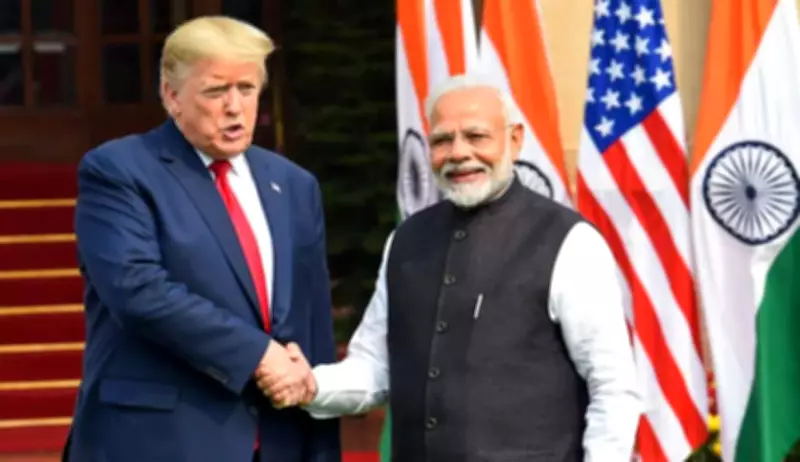
In a significant development for international trade relations, India and the United States are currently engaged in high-stakes negotiations for a bilateral trade deal. These talks have captured global attention, with key issues such as tariff reductions, energy policies, and domestic political reactions taking center stage. The discussions, which involve top-level officials from both nations, aim to address long-standing trade imbalances and foster stronger economic ties between the two democracies.
Key Focus Areas in the Trade Talks
The negotiations are primarily centered around several critical areas that could reshape the economic landscape between India and the US. Tariff cuts are a major point of discussion, with the US, under the leadership of former President Donald Trump, pushing for reduced import duties on American goods entering the Indian market. This move is seen as an effort to boost US exports and address trade deficits. On the other hand, India is seeking concessions that would benefit its own industries and agricultural sectors, ensuring a balanced agreement that supports mutual growth.
Another contentious issue is India's imports of Russian oil. The US has expressed concerns over India's energy purchases from Russia, particularly in the context of global geopolitical tensions. Indian officials, including Prime Minister Narendra Modi, have defended these imports as necessary for energy security and economic stability. The trade deal negotiations are expected to include discussions on how to align India's energy policies with US interests, potentially leading to compromises or alternative arrangements.

Political Reactions and Domestic Implications
The trade deal has sparked varied reactions from political parties within India, highlighting the domestic stakes involved. The Congress party has voiced concerns about the potential impact on local industries and farmers, urging the government to prioritize national interests over foreign pressures. Similarly, the Trinamool Congress (TMC) has called for transparency in the negotiations, emphasizing the need to protect India's sovereignty in trade matters.
The Aam Aadmi Party (AAP) and the Dravida Munnetra Kazhagam (DMK) have also weighed in, with AAP focusing on consumer benefits and DMK highlighting regional economic implications. These political reactions underscore the complex interplay between international diplomacy and domestic politics, as the Modi administration navigates the trade talks while managing internal opposition and public opinion.
Broader Context and Future Prospects
Beyond the immediate issues, the India-US trade deal negotiations are part of a broader strategic partnership between the two countries. Strengthening economic cooperation is seen as a way to counterbalance China's influence in the region and promote stability in the Indo-Pacific. As live updates continue to emerge, stakeholders are closely monitoring the progress, with expectations that a successful deal could lead to increased investment, job creation, and enhanced bilateral relations.
In summary, the ongoing trade talks between India and the US are a multifaceted endeavor, involving delicate negotiations on tariffs and energy, alongside significant political scrutiny. The outcome will likely have far-reaching consequences for both nations, shaping their economic trajectories and diplomatic ties in the years to come.






