

In a significant regulatory shift, the Indian government has initiated a major overhaul of its quality standards framework. Over the past month, authorities have withdrawn 22 Quality Control Orders (QCOs) while simultaneously introducing a fresh set of upgraded standards for critical sectors like telecom, cybersecurity, and urban infrastructure. This dual move aims to ease compliance burdens in some areas while modernizing technical rulebooks to support India's rapid digital and physical expansion.
Easing Compliance: The Withdrawal of 22 QCOs
The government has rolled back a total of 22 Quality Control Orders through notifications issued in mid-November and on December 4. A substantial number of these pertained to petrochemical intermediates crucial for downstream industries such as plastics, polymers, textiles, and apparel. These QCOs had mandated manufacturers and importers to obtain a Bureau of Indian Standards (BIS) licence and use the BIS mark before selling products in India, a process designed to ensure safety and reliability.
According to a December 1 order from the Department of Chemicals and Petrochemicals, the withdrawn chemical QCOs include those for p-xylene, toluene, methyl acrylate, ethyl acrylate, vinyl acetate monomer, ethylene dichloride, and vinyl chloride monomer. These mandates had been in place since 2021. Industry executives highlighted that securing BIS certification for these globally-traded chemicals was challenging post-QCO rollout, risking disruptions in supply chains for polyester, plastics, adhesives, and PVC manufacturing.

The rollback, carried out "in the public interest" after consultation with BIS, eases compliance for several user sectors. For instance, while p-xylene is produced domestically by Reliance Industries Ltd, India also imports it. Toluene is manufactured by Indian Oil and Bharat Petroleum but remains imported from Singapore. Notably, production of vinyl acetate monomer has ceased in India, making the country heavily import-dependent.
This decision follows recommendations from a Niti Aayog committee led by former cabinet secretary Rajiv Gauba, which noted that such QCOs raised costs for Micro, Small and Medium Enterprises (MSMEs). The latest withdrawal of 7 QCOs brings the number of products under mandatory quality norms down to 736. This action also comes after the US Trade Representative's report flagged India's QCO regime as a trade concern, arguing some standards disrupt plastics and chemical trade.
Modernizing Infrastructure: New & Upgraded Standards
Parallel to the withdrawals, the BIS issued a fresh set of revised and newly established standards on November 29. These updates target sectors where technology and safety requirements have evolved dramatically, replacing some standards that were over two decades old.
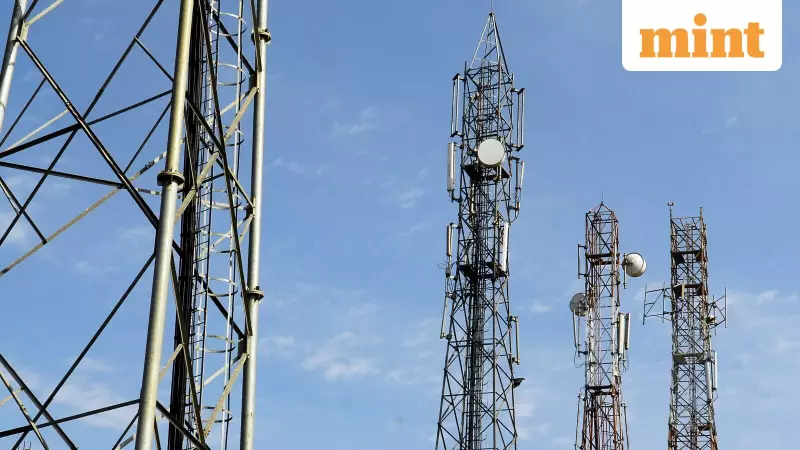
The new norms comprehensively cover fibre-optic cables and transmission equipment, addressing outdated specifications on calibration and dispersion that struggled to align with International Electrotechnical Commission (IEC) benchmarks. This is critical as India has laid over 3.4 million km of fibre and telecom operators prepare for denser 5G rollouts and early 6G trials.
Cybersecurity protocols have been strengthened, including standards for secure time-stamping. This upgrade aims to bolster authentication systems for banks, fintech firms, and digital-identity platforms, especially vital as India processes over 12 billion digital transactions monthly.
Furthermore, safety requirements for lifts—including evacuation lifts in high-rises and those accessible to persons with disabilities—have been elevated to global levels. Domestic gas-stove norms have also been upgraded to align with the rapid expansion of piped natural gas networks across the country.
A Balanced Regulatory Approach: Industry Reactions and Implications
Trade experts view the twin moves as creating a more balanced regulatory environment. "Removing QCOs that were difficult to implement, while tightening standards where safety really matters, is a more balanced approach," said Abhash Kumar, a trade expert and assistant professor at Delhi University.

He added that the shift to ISO- and IEC-aligned norms will reduce friction for imported telecom and cybersecurity equipment and help Indian manufacturers meet global export requirements. Testing labs anticipate higher demand as companies transition to the new fibre, lift, and gas-appliance standards.
Industry leaders have welcomed the updates. Amit Gossain, Managing Director of KONE India, stated that the new lift standards elevate elevator safety to global levels, ensuring new systems are designed and certified in line with recognized international regulations.
According to a government official, the drive to tighten standards stems from concerns flagged repeatedly by the Ministry of Communications: India's blistering technological transition and the widening gap between domestic and global benchmarks. This strategic overhaul reflects a pragmatic pivot in India's standardization policy, aiming to foster ease of business without compromising on safety and quality in its core infrastructure sectors.





