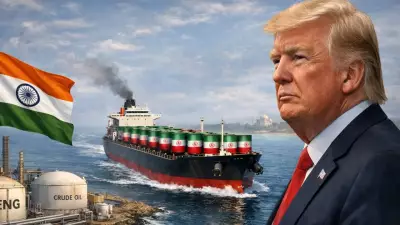
In a surprising twist to the narrative of global trade tensions, a segment of Indian businesses is viewing the recently announced US tariffs not as a debilitating blow, but as a calculated and acceptable expense. While the Biden administration's new import duties target a range of Chinese goods, they also impact certain products from India, including chemicals like propionic acid and engineering items such as certain types of cranes. For some exporters, however, this is a price worth paying for sustained access to the lucrative American market.
The Calculus of Cost vs. Market Access
The perspective is not one of indifference but of strategic calculation. Industry representatives argue that for many of the affected products, the tariff increase—often doubling the existing rate—adds a manageable burden. The new rate for propionic acid, for instance, has risen from 3.7% to 7.4%. For companies with strong product differentiation, efficient supply chains, or those sourcing raw materials strategically, this additional cost can be absorbed without crippling their competitiveness.
"It's a strategic cost," explains an industry voice, highlighting that the US market's scale, predictability, and high demand often outweigh the financial impact of the tariffs. The alternative—losing a foothold in one of the world's largest economies—is seen as a far greater risk. This stance underscores a mature approach to international trade, where fluctuations in duty structures are factored in as a variable cost of doing business.

Navigating the Ripple Effects and Competitive Landscape
The situation is more nuanced than a simple binary of win or lose. The tariffs, announced by President Joe Biden, are primarily aimed at China, covering over $18 billion worth of imports across sectors like steel, aluminium, semiconductors, and electric vehicles. For Indian exporters, the dynamic creates a complex landscape. On one hand, there is the direct impact on their own goods. On the other, there is the potential for indirect benefits if US buyers seek alternatives to Chinese products, a phenomenon known as 'friend-shoring' or supply chain diversification.
This presents both a challenge and an opportunity. The challenge lies in ensuring that Indian products remain cost-competitive despite the duties. The opportunity, however, is significant. If India can position itself as a reliable and high-quality alternative in engineering goods, certain chemicals, and other targeted sectors, it could capture a larger share of US imports. The key, as businesses point out, is to leverage inherent strengths like a skilled workforce, improving manufacturing quality, and existing trade relations.
A Broader View on Trade and Diplomacy
The business community's pragmatic response also ties into the broader diplomatic and economic dialogue between India and the US. While the tariffs are unilateral US policy actions, the two nations are simultaneously engaged in deepening their strategic and trade partnership through forums like the Indo-Pacific Economic Framework (IPEF). The reaction from Indian businesses suggests a long-term view that prioritizes stable market access over short-term tariff disputes.
This does not mean there are no concerns. Smaller exporters or those in highly price-sensitive segments may feel the pinch more acutely. The call for continued government engagement to address specific sectoral issues remains. However, the dominant sentiment from a significant section of industry is one of resilience and strategic patience. They are choosing to view the tariffs not as a barrier, but as a manageable hurdle in the marathon of global trade, where the finish line is a permanent and growing presence in the United States market.
In conclusion, the story of US tariffs for India is not a monolithic tale of loss. It is a layered narrative where a segment of savvy exporters performs a careful cost-benefit analysis. By absorbing the extra duty as a strategic cost of business, they aim to secure their future in a critical market, betting on their own competitiveness and the evolving dynamics of global supply chains away from China. This approach could define the next chapter of India-US trade relations.