

Indian Carpet Exporters Witness Early Revival Signs After US Tariff-Induced Slump
After a period of near standstill in business, Indian carpet exporters are now observing the first glimmers of renewed activity. The punishing 50% tariffs imposed by the United States, which included a 25% penalty for Russian oil purchases, had previously forced American buyers to put orders on hold. This resulted in operations in Bhadohi, Uttar Pradesh, and parts of Jammu & Kashmir—the two primary carpet-making hubs in India—slowing down considerably.
Impact on Production Chains and Workers
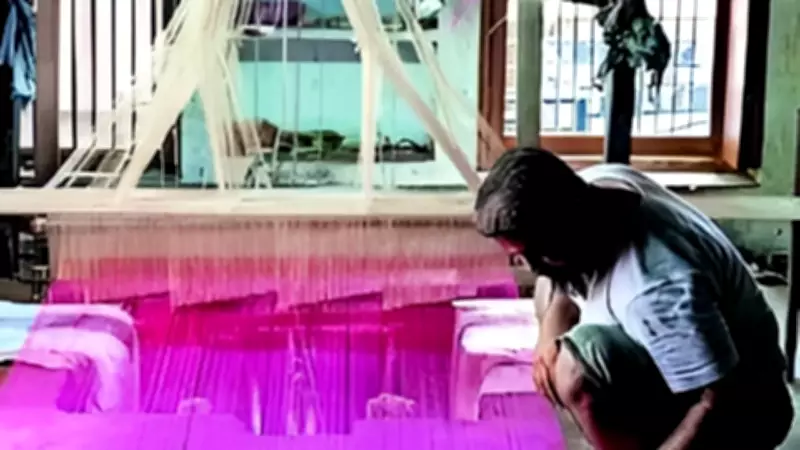
The tariff shockwave disrupted the intricate production process of handmade carpets. "There are 24-25 processes involved in carpet making. The entire chain had stopped, affecting us and the workers," explained Aslam Mahboob of Alam Rugs. With India being a dominant player in the handmade segment, where it competes directly with Pakistan, Nepal, and Afghanistan, the industry is now striving to regain business that had shifted to these neighboring countries. Some orders also moved to Turkiye, which faced a comparatively lower 15% tariff, despite Turkiye being a major player in the machine-made carpet segment.
Export Figures Highlight the Decline
The financial impact has been stark. Official data reveals that Indian carpets and rugs saw exports slip by nearly 9% to $735 million between April and November. The United States, which accounts for more than half of India's carpet exports, was the primary market affected. The decline was particularly severe in September, plummeting by approximately 32%. "There were some special orders, otherwise orders dried up," noted Mahavir Pratap Sharma of Oscar Expo Design, a Jaipur-based company with manufacturing units in Bhadohi.

Early Signs of Recovery Emerge
Encouragingly, there are now early signs of a revival. American buyers have resumed communication, actively checking inventories and requesting photographs of available stock. "The US executive order for an 18% tariff has to be signed, but we are giving finishing touches to some of the products we have. The buyers are very excited, and they are planning to come for an industry show in April," Sharma added optimistically.
Challenges and Hopes in Jammu & Kashmir
The impact was not limited to Bhadohi. Sheikh Ashiq Ahmad of Ferozson Exports highlighted that carpet players in Jammu & Kashmir, who have a substantial European market, were also significantly affected. He is currently awaiting clarity on whether the zero reciprocal tariff benefit available to silk will be extended to carpets, some of which are made from 100% silk. This potential policy adjustment could provide a crucial boost to the region's recovery efforts.
As the industry navigates these challenging times, the renewed engagement from US buyers offers a hopeful outlook for the revival of India's storied carpet export sector.






