

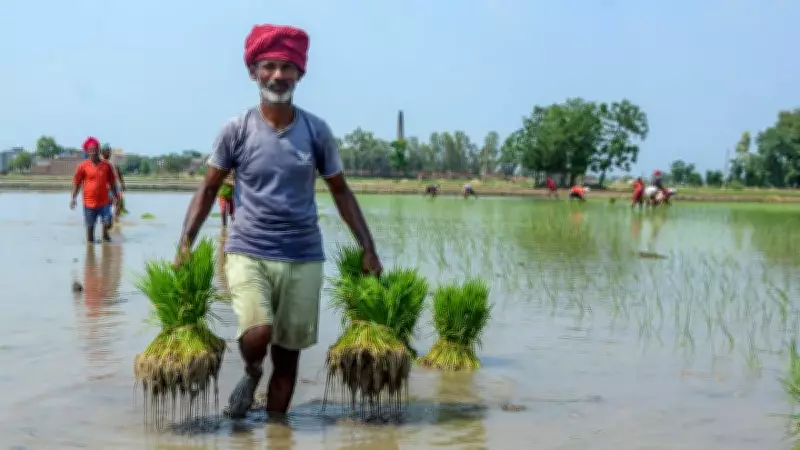
Indian Farmer Associations Voice Strong Opposition to US Trade Deal Over Food Import Fears
Prominent farmer organizations in India have raised serious concerns regarding a potential trade agreement with the United States, specifically fearing the importation of American food products. The groups argue that such a move could severely undermine the domestic agricultural sector and the livelihoods of millions of Indian farmers.
ASHA-Kisan Swaraj Issues Stern Warning Against "Opening" of Agriculture Sector
In a strongly worded media statement, leaders from the Alliance for Sustainable and Holistic Agriculture (ASHA-Kisan Swaraj), including Kirankumar Vissa and Kavitha Kuruganti, have categorically rejected the Indian government's assertion that the agriculture sector remains protected under the proposed deal. They contend that the interim agreement represents the "first round of opening" for Indian agriculture to foreign competition.
The activists emphasized that this initial step is likely to be followed by much more extensive liberalization, potentially allowing a significant influx of US agricultural goods. They warn that this could destabilize local markets, reduce prices for Indian farmers, and increase dependency on imports, thereby threatening food sovereignty and rural economies.

Background and Broader Implications of the Trade Negotiations
The India-US trade discussions have been ongoing, with both nations seeking to enhance economic ties and boost bilateral trade. However, the agricultural component has emerged as a particularly sensitive issue. Indian farmer associations are mobilizing to highlight the risks associated with lowering trade barriers for food products, citing past experiences where similar agreements have impacted small-scale farmers adversely.
Key points of concern include:
- The potential for cheaper US imports to outcompete locally produced crops.
- Questions about the quality and safety standards of imported food items.
- The long-term impact on India's agricultural policies and farmer welfare schemes.
This development comes amid broader debates on trade policy and agricultural reform in India. Farmer groups are calling for greater transparency and consultation in the negotiation process to ensure that the interests of the agricultural community are adequately safeguarded.
As the dialogue progresses, the stance of organizations like ASHA-Kisan Swaraj is expected to influence public discourse and potentially shape the government's approach to the trade deal. The outcome could have significant ramifications for India's farming sector and its trade relations with the United States.






