

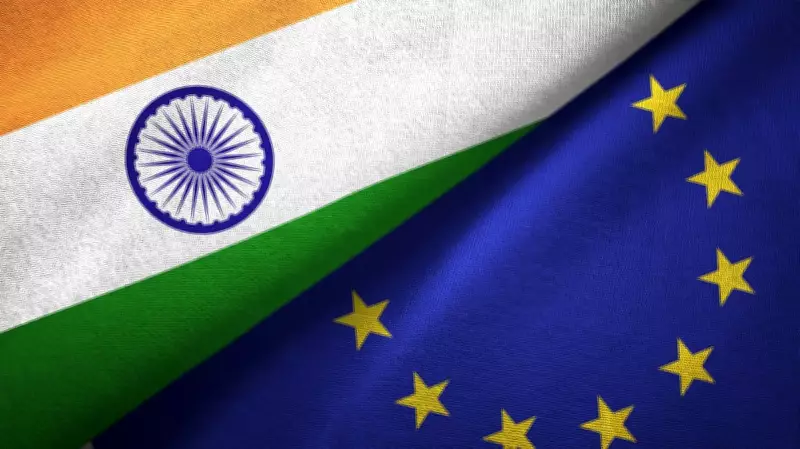
India's EU FTA Compliance Challenge: Sustainability Push and MSME Protection
India's landmark Free Trade Agreement (FTA) with the European Union is currently undergoing rigorous compliance tests that will determine the nation's ability to access its full economic benefits. This pivotal trade pact, which aims to enhance bilateral trade and investment flows, places significant emphasis on India's adherence to stringent sustainability standards and regulatory frameworks established by the EU.
Accelerating Sustainability Initiatives
To successfully navigate the FTA's compliance requirements, India must dramatically accelerate its sustainability push across multiple sectors. The European Union has incorporated comprehensive environmental and social governance clauses into the agreement, demanding that trading partners demonstrate measurable progress in areas such as carbon emissions reduction, renewable energy adoption, and sustainable resource management.
This represents both a challenge and an opportunity for India's economic transformation. The country must implement robust sustainability frameworks that align with EU standards while maintaining its developmental trajectory. Experts suggest that this compliance pressure could serve as a catalyst for India's green transition, potentially unlocking new avenues for clean technology investment and sustainable industrial practices.

Protecting MSMEs from Regulatory Costs
A critical concern emerging from the FTA negotiations is the potential burden of regulatory compliance costs on India's Micro, Small, and Medium Enterprises (MSMEs). These enterprises form the backbone of India's economy, contributing significantly to employment and manufacturing output, yet they often lack the resources to navigate complex international regulatory requirements.
The agreement's compliance mechanisms could impose substantial costs on MSMEs through certification requirements, documentation standards, and quality control measures. Without adequate protection and support mechanisms, these regulatory burdens could undermine the very businesses that stand to benefit most from enhanced market access to European consumers.
Strategic Implementation Required
Successfully implementing the EU-India FTA will require a multi-faceted approach that balances compliance with economic pragmatism. Key strategies include:
- Developing phased compliance roadmaps that allow industries reasonable timeframes to adapt to new standards
- Creating financial support mechanisms specifically designed to help MSMEs meet regulatory requirements
- Establishing technical assistance programs that provide guidance on sustainability certifications and documentation
- Implementing sector-specific adaptation plans that recognize the diverse capabilities across India's industrial landscape
The FTA represents a significant milestone in India-EU economic relations, offering potential for enhanced market access, technology transfer, and investment flows. However, realizing these benefits will depend heavily on India's ability to navigate the compliance landscape effectively while protecting its vital MSME sector from disproportionate regulatory costs.
As the implementation phase progresses, ongoing dialogue between Indian and European stakeholders will be essential to ensure that compliance requirements remain practical and achievable. The ultimate success of this agreement may well depend on finding the right balance between upholding high standards and maintaining economic accessibility for India's diverse business community.






