India's Textile Exports to EU Poised for Major Boost with Free Trade Agreement
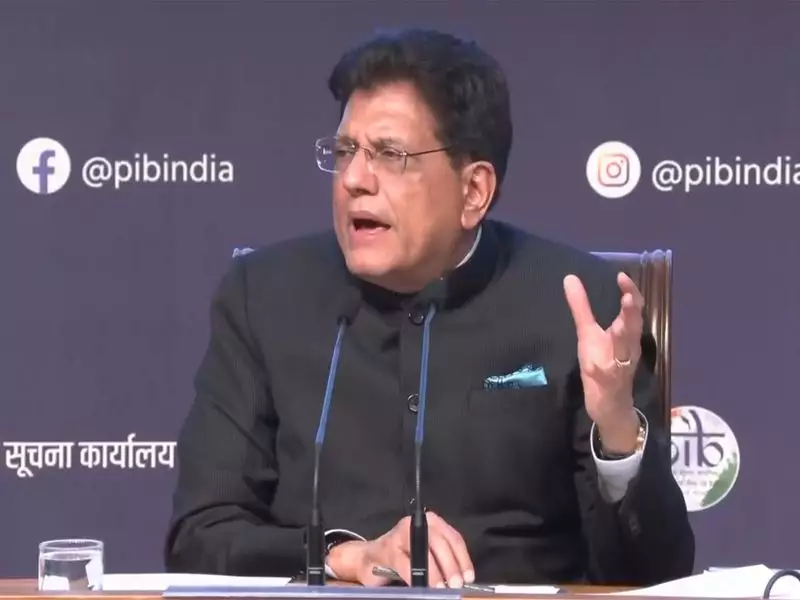
Commerce and Industry Minister Piyush Goyal has projected a significant surge in India's textile exports to the European Union, potentially reaching $30 to $40 billion annually, up from the current level of approximately $7 billion. This optimistic forecast hinges on the successful negotiation and implementation of a comprehensive free trade agreement (FTA) between India and the EU, which is currently under discussion.
Current Export Landscape and Future Potential
India's textile sector, a cornerstone of the nation's manufacturing and export economy, currently ships goods worth around $7 billion to the European Union. However, Minister Goyal believes this figure represents only a fraction of the sector's true potential. With the removal of trade barriers and tariffs through an FTA, Indian textiles could become far more competitive in the lucrative EU market.
The minister emphasized that this growth could occur "quickly" once the agreement is in place, highlighting the readiness and capacity of India's textile industry to scale up production and meet increased demand. The EU is one of the world's largest importers of textiles and apparel, making it a critical market for Indian exporters.

Strategic Importance of the India-EU FTA
The proposed free trade agreement is seen as a strategic move to deepen economic ties between India and the European Union. For the textile sector, key benefits are expected to include:
- Reduced Tariffs: Elimination or significant reduction of import duties on Indian textile products entering the EU.
- Enhanced Market Access: Smoother customs procedures and greater ease of doing business for exporters.
- Competitive Edge: Improved price competitiveness against other major textile-exporting nations.
- Supply Chain Integration: Opportunities for stronger partnerships and investment flows between Indian and European firms.
This agreement is part of a broader effort by the Indian government to boost exports across various sectors, with textiles being a priority due to its employment-intensive nature and historical significance.
Implications for India's Economy and Textile Industry
A jump in exports to the $30-40 billion range would represent a more than fourfold increase, providing a substantial boost to India's overall export earnings and trade balance. The textile and apparel industry is one of the largest employers in India, particularly in sectors like cotton, silk, and handicrafts. Such exponential growth could lead to:
- Creation of millions of new jobs across weaving, dyeing, garment manufacturing, and related services.
- Increased investment in modernizing textile machinery and adopting sustainable practices to meet EU standards.
- Greater economic prosperity in textile hubs like Surat, Tiruppur, and Ludhiana.
- Enhanced global recognition for Indian textile quality and craftsmanship.
Minister Goyal's statement underscores the government's confidence in the sector's resilience and its ability to capitalize on new trade opportunities. While challenges such as compliance with EU regulations and competition from countries like Bangladesh and Vietnam remain, the FTA is viewed as a game-changer that could reposition India as a leading global textile exporter.
The ongoing FTA negotiations are being closely watched by industry stakeholders, who are optimistic about finalizing a deal that unlocks this immense potential. As talks progress, the Indian textile sector is gearing up to meet the anticipated surge in demand, aiming to transform this projection into reality.