India Confronts Severe Fuel Supply Crisis Amid West Asia Conflict Disruptions
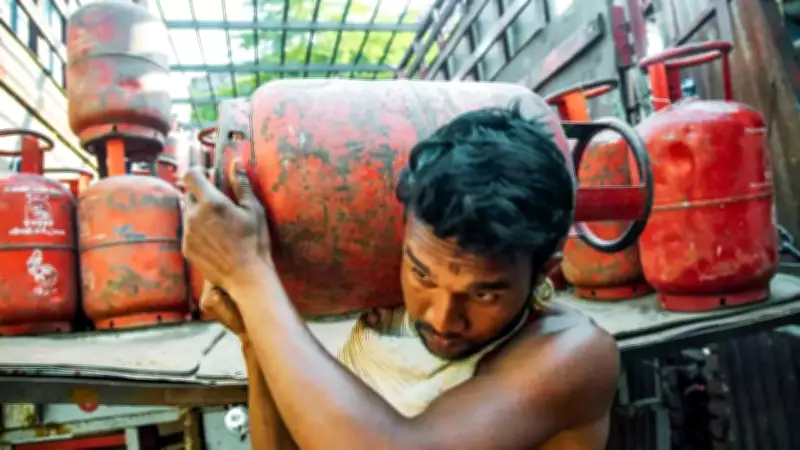
A critical shortage of liquefied natural gas (LNG) and commercial LPG supplies has gripped India, as disruptions linked to the ongoing conflict in West Asia begin to severely impact fuel availability across the nation. The escalating tensions have triggered a nationwide energy crunch, forcing the government to implement emergency measures to manage the situation.
Government Implements Emergency Gas Reallocation Measures
Invoking the Essential Commodities Act of 1955, the Union government on Monday announced a significant reallocation of gas supplies. This strategic move involves cutting allocations to fertiliser and other industrial sectors while prioritizing domestic piped natural gas for households, compressed natural gas for transportation, and LPG production for essential cooking needs.
This decisive action came just days after the petroleum ministry had assured that supplies remained comfortable and that additional LNG flows were being explored from alternative sources such as Canada and Australia. However, simultaneous outages in Qatar, India's primary LNG supplier, have dramatically tightened global availability, creating an unprecedented supply challenge.

High-Level Government Meetings Address Geopolitical Energy Impacts
Hours after the official notification, Prime Minister Narendra Modi convened an urgent meeting with Petroleum Minister Hardeep Singh Puri and External Affairs Minister Subrahmanyam Jaishankar. The high-level discussion focused on assessing the complex geopolitical situation and its potential ramifications on India's energy flows and security.
During a separate cabinet meeting earlier that day, the prime minister directed ministers to thoroughly review the situation within their respective sectors. He emphasized the importance of coordinated efforts with all stakeholders to ensure minimal public disruption despite the challenging circumstances created by the international conflict.
State-Specific Impacts and Response Measures
Gujarat: The state government announced substantial reductions in industrial gas supply, implementing a 50% cut for general industries and a 40% reduction for critical sectors including fertiliser and milk processing units. These decisions were made in close coordination with the Union government to guarantee uninterrupted supply for domestic users while preventing panic and maintaining steady LPG cylinder availability for households.
Bengaluru: The commercial LPG shortage has significantly affected the restaurant industry, with numerous eateries reporting they have not received commercial cylinders for two consecutive days. Many establishments have begun trimming their menus, temporarily removing gas-intensive items like pooris and vadas that require prolonged oil heating. Kitchens are now prioritizing dishes with lower fuel consumption, including idli, dosa, and regular meals. Some restaurants have switched off portions of their cooking burners to ration remaining stock, while in east Bengaluru, operators report completely dried-up supplies and prices nearly doubling for available cylinders.
Chennai: Several small eateries have temporarily suspended operations as commercial cylinder deliveries face significant delays. Restaurants are struggling with dwindling fuel reserves and difficulty obtaining replacements. The Chennai Hotels Association president contacted Prime Minister Modi seeking government intervention to restore uninterrupted cylinder supply, noting that the city's more than 10,000 round-the-clock hotels depend entirely on steady gas availability.
Mumbai: The hospitality sector faces mounting challenges, with industry bodies reporting approximately 20% of hotels and eateries already fully or partially shut due to cooking gas shortages. They warn that 50-60% of establishments could temporarily close if the supply situation doesn't improve soon. Restaurants are removing Chinese dishes and tawa-based recipes that require high flames from their menus.

Pune: Nearly 100 out of approximately 1,200 eateries have been affected by commercial LPG distribution curbs, with many operating at reduced capacity, cutting menu items, or shutting kitchens entirely since Monday. Industry sources report that the shortage has triggered black-marketing of commercial cylinders in the region.
Nationwide Restaurant Industry Adaptations and Challenges
Madhya Pradesh: Hotels across the state are exploring electric cooking systems and revising menus as restricted LPG supplies disrupt kitchen operations. An urgent online meeting of hoteliers from cities including Bhopal, Indore, Gwalior, and Jabalpur discussed contingency measures, with many establishments reporting fuel stocks that may last only about five days. Hotels have started limiting live cooking counters and other high-consumption stations to conserve remaining fuel.
Telangana: Restaurants, particularly in Hyderabad, are bracing for significant disruption as dealers limit cylinder supplies. Industry bodies warn that more than 60% of eateries could be forced to shut operations within days if commercial cylinder deliveries remain delayed. This shortage comes during peak demand periods with heavy late-night crowds and increased iftar menu requirements.
Kerala: Restaurant associations report that distribution agencies have started halting commercial cylinder deliveries, potentially forcing thousands of establishments to close. Hotels and restaurants are considering measures including limiting menu items, relying on reheating food, and shifting to electric cooking systems. However, operators note that kitchens aren't designed for such sudden changes and regulatory approvals may be required. The impact is already strongly felt in urban centers like Kochi and Thiruvananthapuram where stocks are rapidly depleting.
Panic Buying and Alternative Fuel Shifts
Kolkata: Fears of shortage have triggered widespread panic buying of LPG cylinders, creating opportunities for black-market operators. Bookings for cylinders from Indian Oil Corporation surged from approximately 2.5 lakh within 48 hours on March 5 to 5.8 lakh by March 9. Combined with supplies from Bharat Petroleum Corporation Limited and Hindustan Petroleum Corporation Limited, total bookings increased from 3.9 lakh to over 7.5 lakh during the same period—far exceeding the state's normal daily demand of around five lakh cylinders.
Authorities report that the situation has encouraged illegal diversion of cylinders, including those meant for Pradhan Mantri Ujjwala Yojana beneficiaries, which are being sold at steep premiums on the black market. The transport sector also faces challenges, with auto-LPG scarcity leading to long queues at fuel pumps and reducing auto-rickshaw availability on several routes by nearly 30%. Meanwhile, some roadside eateries have switched from LPG ovens to coal-fired stoves, causing a sudden spike in coal demand.
Lucknow: Eateries are beginning to feel the effects of supply curbs, with several small restaurants and roadside food stalls considering temporary closures. Hotels connected to piped natural gas networks may manage operations for about ten days, but establishments entirely dependent on LPG report that even short disruptions are severely affecting their kitchen operations.
The nationwide fuel crisis represents one of the most significant energy challenges India has faced in recent years, with the restaurant and hospitality industry bearing the immediate brunt of supply disruptions. As the West Asia conflict continues to evolve, government officials and industry stakeholders are working urgently to stabilize supplies and mitigate impacts on both businesses and households across the country.