

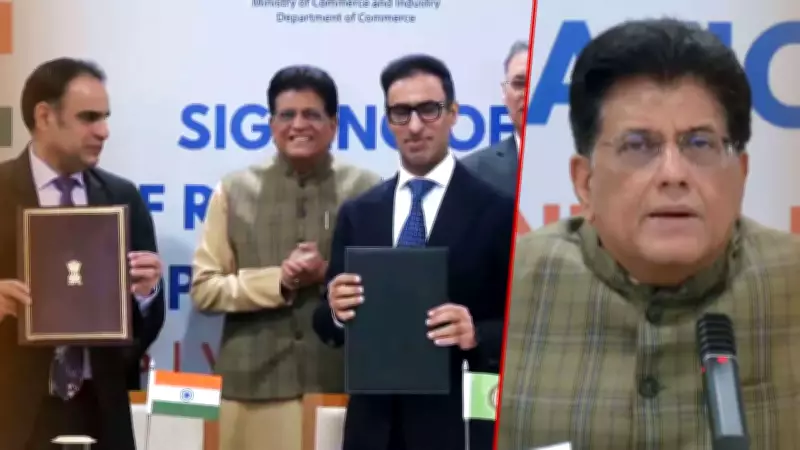
India Initiates Strategic Trade Push with Gulf Bloc Following Recent Western Agreements
In a significant development for India's international trade strategy, Commerce and Industry Minister Piyush Goyal has announced the resumption of Free Trade Agreement negotiations with the Gulf Cooperation Council. This move comes just days after India successfully finalized trade agreements with both the United States and the European Union, signaling a deliberate expansion of the country's economic partnerships.
Reviving Long-Stalled Negotiations
Minister Goyal personally presided over the signing of terms of reference that will guide the upcoming FTA discussions with the six-nation GCC bloc. These negotiations are being resumed after an extended pause, with previous rounds having taken place in 2006 and 2008. The renewed push represents a fresh commitment to strengthening economic ties with this strategically vital region.
Strategic Importance of Gulf Region
The Gulf Cooperation Council holds particular significance for India's economic and security interests:

- Energy Security: The region remains central to India's energy requirements, supplying substantial quantities of crude oil and natural gas
- Diaspora Connections: Millions of Indian workers reside in GCC countries, creating strong people-to-people links
- Trade Complementarity: While India imports energy resources, it exports diverse products including gems, jewelry, machinery, and pharmaceuticals
- Investment Potential: Gulf nations represent significant sources of foreign investment for India's growing economy
Growing Economic Engagement
Trade volumes between India and GCC countries have shown consistent growth despite the previous pause in formal negotiations. The bilateral relationship has evolved beyond traditional energy trade to encompass:
- Increasing two-way investment flows
- Collaboration in technology and innovation sectors
- Enhanced cooperation in food security and agricultural trade
- Growing educational and cultural exchanges
This renewed FTA initiative reflects India's comprehensive strategy to deepen economic relationships with regions that offer multiple benefits—from securing essential resources to creating employment opportunities for its citizens abroad. The timing, following successful negotiations with Western economies, demonstrates India's balanced approach to global trade partnerships.
The move also aligns with India's broader foreign policy objectives of diversifying economic relationships while maintaining strategic autonomy. As global trade dynamics continue to evolve, agreements with regional blocs like the GCC become increasingly important for ensuring stable economic growth and addressing emerging challenges in international commerce.






