India's retail inflation, as measured by the Consumer Price Index (CPI), rose to 3.48% in April 2026, up from 3.29% in March 2026, according to government data released on Monday. The increase was primarily driven by higher food prices, particularly tomatoes, and gains in jewellery costs.
Food Inflation Trends
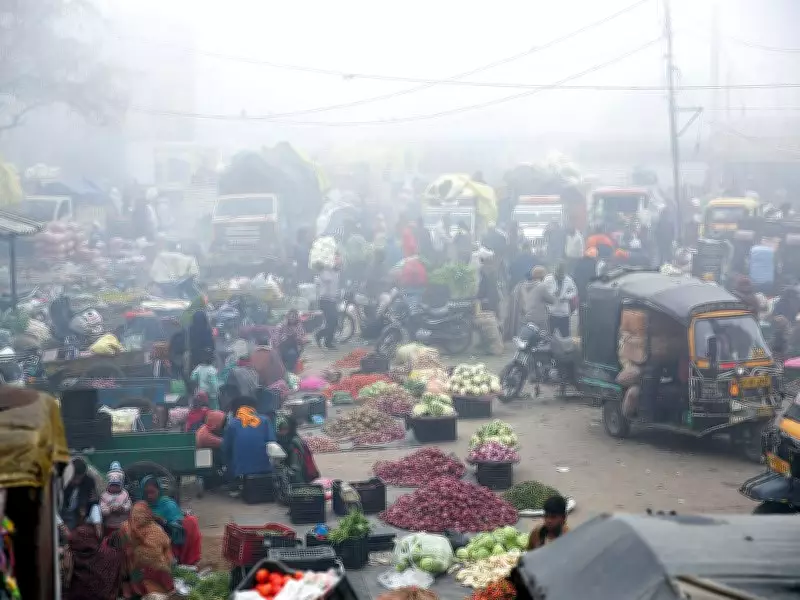
Food inflation, which accounts for nearly half of the CPI basket, edged up to 2.89% in April from 2.73% in March. Within the food category, vegetable prices rose sharply, with tomatoes witnessing a significant spike of 12.5% month-on-month. Onion and potato prices also increased by 4.2% and 3.8%, respectively. However, prices of pulses and cereals remained subdued, providing some relief.
Among other food items, meat and fish prices rose 1.2%, while eggs saw a 0.8% increase. Milk and products remained flat, and edible oils recorded a marginal decline of 0.3%.

Core Inflation and Other Components
Core inflation, which excludes volatile food and fuel prices, remained stable at 3.1% in April, unchanged from March. Within this category, clothing and footwear inflation stood at 2.8%, while housing inflation was at 3.5%. Fuel and light inflation eased to 2.1% from 2.3% in the previous month, aided by lower petrol and diesel prices.
Jewellery and precious metals saw a notable increase of 6.2% year-on-year, driven by higher gold prices. This contributed to the overall inflation uptick.
Regional Variations
Inflation rates varied across states. Urban areas recorded a higher inflation rate of 3.6% compared to rural areas at 3.3%. Among states, Odisha reported the highest inflation at 4.5%, followed by Rajasthan at 4.2%. The lowest inflation was seen in Delhi at 2.8% and Tamil Nadu at 3.0%.
Outlook and Policy Implications
Economists expect inflation to remain within the Reserve Bank of India's (RBI) comfort zone of 2-6% in the coming months, barring any supply shocks. The central bank has maintained a status quo on interest rates in its recent policy meetings, citing the need to support growth while keeping inflation in check. The next monetary policy committee meeting is scheduled for June 2026.
Analysts believe that the April inflation print is unlikely to trigger any immediate policy action, as the RBI continues to focus on growth revival. However, any sustained rise in food prices could pose a risk to the inflation trajectory.
In summary, India's retail inflation in April 2026 remained moderate but showed an uptick due to seasonal food price increases and jewellery gains. The overall inflation environment remains benign, supporting the case for continued accommodative monetary policy.