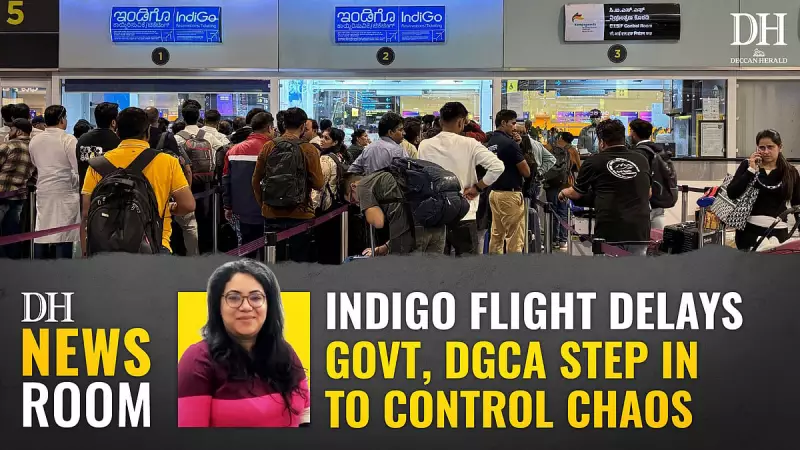
India's largest airline, IndiGo, has plunged into a major operational crisis, leading to the cancellation of close to 2,000 flights over the coming weeks. The massive disruption, primarily attributed to a severe shortage of cabin crew members, has sent airfares on key routes skyrocketing and prompted urgent intervention from the aviation regulator.
Scale of the Disruption and Root Causes
The crisis came to a head as IndiGo was forced to publish a revised schedule, cancelling approximately 1,990 flights scheduled between January 19 and March 31, 2024. This represents around 4% of its total planned operations for this period. The airline operates a vast network of over 2,000 daily flights.
The primary driver behind this unprecedented wave of cancellations is a significant shortage of cabin crew. Industry sources indicate that a large number of crew members have been unable to report for duty due to mandatory breath analyser (BA) tests, part of strict regulations to ensure they are fit to fly. This has created a cascading effect on crew rosters and availability.

Compounding the problem are ongoing issues with the Pratt & Whitney engines that power a portion of IndiGo's Airbus A320neo fleet. These technical snags have grounded several aircraft, further straining the airline's capacity to maintain its full schedule.
Passenger Fallout and Regulatory Scrutiny
The immediate consequence for travellers has been chaos and confusion. Thousands of passengers have been left stranded or facing last-minute rebooking hassles. The reduced seat availability on affected routes has triggered a sharp increase in airfares. Routes like Delhi-Goa, Mumbai-Bengaluru, and Delhi-Srinagar have seen ticket prices jump by 30-50% or more as demand outstrips supply.
The Directorate General of Civil Aviation (DGCA) has taken serious note of the situation. The regulator has directed IndiGo to submit a daily report on all cancelled and delayed flights, along with the specific reasons for each disruption. This heightened oversight is aimed at ensuring the airline implements effective corrective measures and minimises passenger inconvenience.
In response to the crisis, IndiGo has stated that the revised schedule is a proactive measure to stabilise operations. The airline has apologised to affected customers and is offering them the choice of a full refund, a rescheduled flight on an alternate date, or a credit shell for future travel.
Broader Implications for Indian Aviation
This incident highlights systemic vulnerabilities within the rapidly growing Indian aviation sector. The heavy reliance on a single model of aircraft engine and the tight margins in crew scheduling can lead to widespread disruptions when unexpected issues arise.
The DGCA's active monitoring sets a precedent for holding airlines accountable for large-scale schedule changes. It reinforces the regulator's focus on passenger rights and operational reliability. For consumers, the episode is a stark reminder of the volatility of air travel during peak seasons and the importance of understanding their rights to refunds or alternate arrangements when flights are cancelled by the airline.
As IndiGo works to recruit and train more cabin crew and manage its technical challenges, the coming weeks will be critical in restoring normalcy. The airline's ability to manage this crisis will be closely watched by passengers, investors, and regulators alike, testing the resilience of India's dominant carrier.