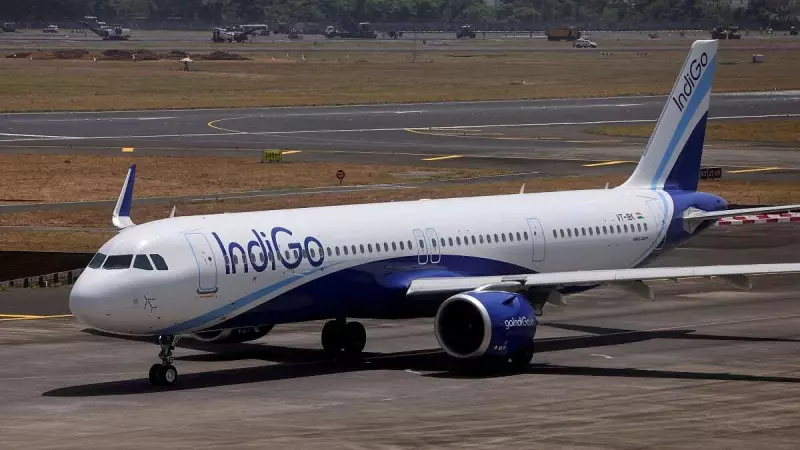
Passengers across India faced severe travel disruptions on Wednesday as the country's largest carrier, IndiGo, was forced to cancel a significant number of flights. The airline's operations were thrown into chaos, leading to widespread delays and cancellations that affected thousands of travelers.
Scale of the Disruption
The scale of the problem was substantial. Over 70 IndiGo flights were cancelled nationwide on December 3, 2025. Even more staggering was the number of delays, which soared to approximately 700 flights running behind schedule. The impact was felt most acutely at India's busiest airports, including those in the major metropolitan cities of Delhi, Mumbai, and Bengaluru.
Bengaluru's Kempegowda International Airport Hit Hardest
Among all airports, Bengaluru's Kempegowda International Airport (KIA) emerged as the epicenter of the crisis. Data from Wednesday revealed that IndiGo cancelled a total of 42 flights at KIA alone. This breakdown included 22 arrival flights and 20 departure flights being scrapped from the schedule. The cascading effect of these cancellations and the hundreds of delays created long queues, confusion, and frustration among passengers at terminals across the country.

Consequences for Travelers and the Aviation Sector
The operational meltdown has significant repercussions. For passengers, it means missed connections, important events, and business meetings. Many are left scrambling for alternative arrangements or refunds. For the aviation industry, such a large-scale disruption raises questions about operational resilience and contingency planning, especially for a carrier of IndiGo's size and market share. While the specific cause for Wednesday's widespread issues was not detailed in the initial report, such events often stem from a combination of factors like:
- Technical faults with aircraft
- Logistical or crew scheduling problems
- Air traffic control constraints
- Unexpected maintenance requirements
Passengers are advised to always check their flight status directly with the airline before heading to the airport, especially during periods of known operational challenges. The incident underscores the vulnerability of air travel networks to large-scale disruptions and the importance of clear passenger communication during crises.