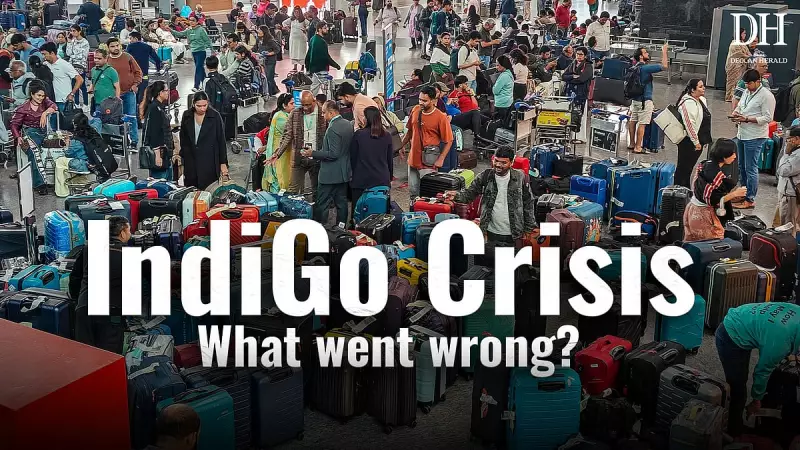
India's largest airline, IndiGo, is grappling with a severe operational crisis that has left thousands of passengers stranded and frustrated. The carrier has been forced to cancel a staggering number of flights, with the situation exacerbated by adverse winter weather, leading to widespread disruption across the country's aviation network.
The Scale of the Disruption: Thousands of Flights Grounded
The core of the issue lies in a significant shortage of crew members, which has severely impacted IndiGo's ability to maintain its schedule. Compounding this internal challenge, dense fog and poor visibility in North India, particularly in Delhi, have caused extensive delays and further cancellations. While the airline has not provided an official consolidated figure for January, reports and passenger complaints suggest the number of cancelled flights has soared past the 3,000 mark for the month.
This perfect storm of logistical failures has created scenes of chaos at major airports like Delhi's Indira Gandhi International Airport. Passengers have reported last-minute cancellations, a lack of clear communication from the airline, and immense difficulties in securing timely refunds or alternative bookings. The crisis has not been confined to a single day but has stretched over several weeks, indicating a deep-seated operational problem.

Passenger Anguish and the Refund Bottleneck
The human cost of this operational meltdown is immense. Travelers, including families, elderly passengers, and those on urgent business, have been left in the lurch. Social media is flooded with harrowing accounts of people sleeping on airport floors, missing important events, and incurring extra expenses for hotels and meals.
A major point of contention has been the airline's refund process. Despite Directorate General of Civil Aviation (DGCA) regulations mandating prompt refunds within a specified period, many passengers have complained of inordinate delays. The airline's customer service channels, both at airports and over phone lines, have been overwhelmed, leading to long wait times and unresolved queries. This has forced numerous affected flyers to approach the National Consumer Helpline and consumer courts to seek redressal.
In response to the growing outcry, IndiGo has issued public apologies. The airline's CEO, Pieter Elbers, acknowledged the disruptions, stating, "We sincerely apologize for the inconvenience... we are working to stabilize the situation." The airline has cited the crew shortage and fog as primary causes and has offered fee waivers for rescheduling on affected routes.
When Will Normal Operations Resume?
The million-dollar question for every stranded passenger and the aviation industry is: when will normalcy return? IndiGo has indicated that it expects its operations to stabilize in the coming days. However, the timeline remains uncertain. The crew availability issue is not one that can be resolved overnight, as it involves training and regulatory clearances.
Furthermore, the winter fog season is likely to persist for some more weeks, posing an ongoing external challenge. The DGCA is closely monitoring the situation and has reiterated the rules regarding passenger compensation and refunds in cases of cancellation and long delays. Aviation experts suggest that the crisis underscores the need for Indian airlines to build greater resilience in their operations, especially for managing predictable seasonal disruptions and ensuring adequate crew staffing levels.
For now, passengers booked on IndiGo flights are advised to:
- Check their flight status repeatedly before heading to the airport.
- Familiarize themselves with DGCA's passenger charter rights regarding cancellations and delays.
- Keep all receipts for additional expenses incurred due to the airline's cancellation, as they may be needed for claims.
- Explore alternative modes of transport for critical travel if possible.
The IndiGo crisis serves as a stark reminder of the fragility of air travel infrastructure and the paramount importance of passenger-centric communication and service recovery during large-scale disruptions.