

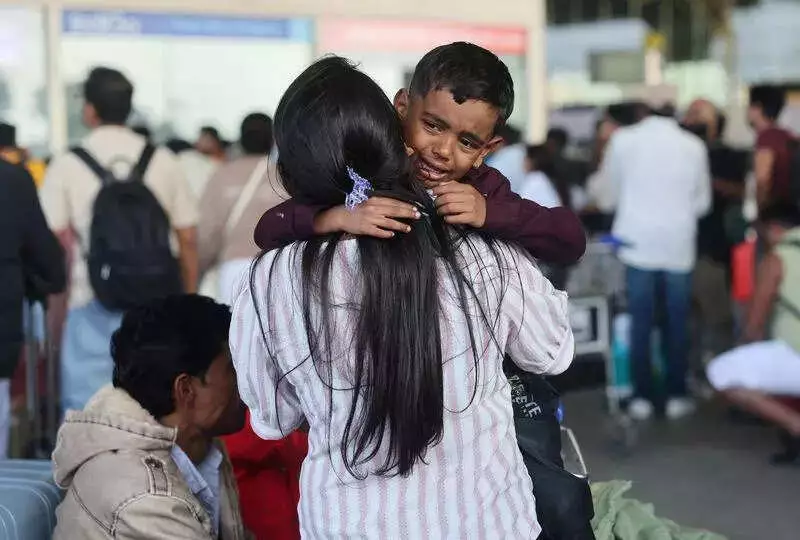
The aviation crisis gripping India reached a critical point at Nagpur's Dr. Babasaheb Ambedkar International Airport, where operations for budget carrier IndiGo nearly ground to a complete halt. On the third day of widespread disruptions, the airline was forced to cancel a staggering 20 out of the 22 flights it typically operates from the city daily, leaving hundreds of passengers in limbo and sparking scenes of chaos and frustration.
Complete Operational Breakdown and Passenger Chaos
What began with seven cancellations on the first day escalated to 11 on the second, culminating in the near-total shutdown on Friday. The cancelled IndiGo flights connected Nagpur to major hubs including Delhi, Goa, Mumbai, Indore, Kolkata, and Pune. With only 13 flights operating in total from all airlines, the airport terminals were overwhelmed with stranded travelers.
IndiGo staff at the counters, facing the brunt of public anger, advised passengers not to reschedule but to cancel their tickets and seek a full refund. The situation was compounded by a complete lack of prior intimation for many flyers, who discovered their flights were cancelled only upon arriving at the airport.

Crew in Distress and Skyrocketing Airfares
The crisis severely impacted airline staff as well. Harried crew members, including air hostesses, found themselves stranded with no clarity on their return. One air hostess revealed that female crew and ground staff had become easy targets for passengers' anger, with one colleague allegedly being manhandled by a woman passenger.
With IndiGo's capacity virtually wiped out, other airlines operating from Nagpur—Air India, Air India Express, and Star Air—were completely booked until at least December 8. This surge in demand led to exorbitant airfares, with tickets on alternative carriers being quoted in the range of Rs 22,000 to Rs 50,000.
Passenger Ordeals: Lost Luggage and Missed Connections
Individual stories of distress highlighted the human cost of the breakdown. Raunaq Punkar from Solapur, who was traveling to the Kanha Tiger Reserve, waited over three hours only to receive an SMS about the cancellation, forcing his family to take a taxi back.
Another passenger broke down after arriving in Nagpur without his baggage, which was left behind in Hyderabad. "It has taken three days for me to fly down to Nagpur from Jaipur, and since then, I am in the same pair of clothes," he shouted, his outburst requiring intervention by CISF guards.
The domino effect disrupted intricate travel plans. One passenger's cancelled flight to Bengaluru jeopardized his connecting journey to Mauritius. Others, like N Lute from Guwahati, missed crucial travel for local body elections in Mouda. Sai Shivani, a student traveling from London, was forced to wait at Nagpur airport for an entire day before securing a new connection.
Marginal Relief for Air Traffic and Wider Impact
The only silver lining, albeit a minor one, was a slight reduction in workload for air traffic controllers managing the Nagpur flight information region. A source noted that while they mainly handle overflying international flights, the IndiGo crisis led to a marginal reduction in the typical load of around 1,500 flights.
The situation at Nagpur serves as a stark microcosm of the ongoing aviation turmoil, exposing vulnerabilities in passenger communication, crew welfare, and the resilience of travel networks during operational meltdowns.






