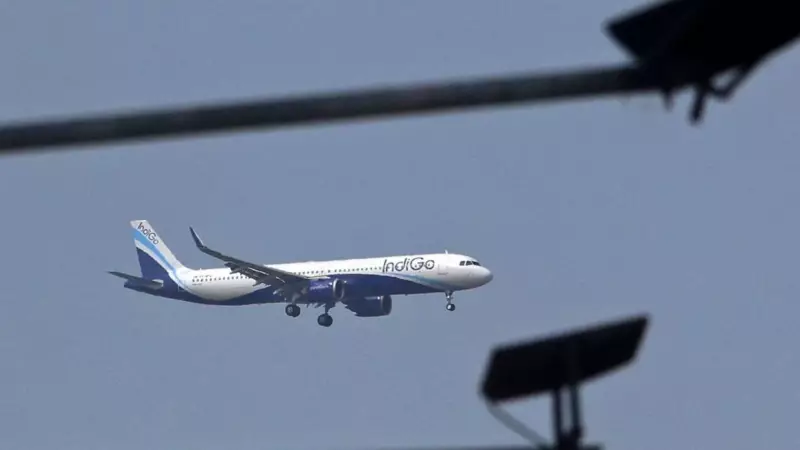
Iran's sudden decision to close its airspace early Thursday created immediate disruptions for international airlines. Indian carriers Air India and IndiGo found themselves among the most affected operators globally.
Immediate Impact on Indian Airlines
The temporary shutdown, which lasted several hours, forced both airlines to implement emergency contingency plans. Air India confirmed it had to cancel multiple flights to and from the United States. The airline issued a passenger advisory explaining the situation.
"Due to the emerging situation in Iran, the subsequent closure of its airspace, and in view of the safety of our passengers, Air India flights overflying the region are now using an alternative routing, which may lead to delays. Some Air India flights where currently rerouting is not possible are being cancelled," the airline stated.

IndiGo's Operational Challenges
IndiGo faced similar operational headaches. The airline's Baku-Delhi flight 6E1804 had to return to Baku after Iran closed its airspace. According to flight tracking data from Flightradar24, IndiGo's Tbilisi-Delhi flight 6E1804 happened to be the last non-Iran-registered passenger plane in Iranian airspace before the temporary closure took effect.
IndiGo released its own statement addressing the disruptions. "Due to the sudden airspace closure by Iran, some of our international flights are impacted. Our teams are working diligently to assess the situation and support affected customers by offering the best possible alternatives," the airline said.
Geographic Consequences for Flight Routes
The Iranian airspace closure particularly affected flights heading to specific regions. For Indian airlines, routes to the United States, Europe, Central Asia, and the Caucasus region experienced the most significant impact. These flight paths routinely utilize Iranian airspace for efficient travel.
Complicating matters further, Pakistan's ongoing ban on Indian aircraft entering its airspace has been in place for months. This dual restriction creates a challenging geographic bottleneck for Indian aviation.
Compounding Existing Restrictions
With Pakistani airspace already off-limits, Indian airlines had been relying heavily on Iranian airspace for flights to Central Asia and the Caucasus. These routes already required longer, circuitous paths. The temporary Iranian closure forced airlines to find even more alternative routing.
Flight tracking data revealed an interesting pattern even after the official closure expired Thursday morning. Most international carriers continued avoiding Iranian airspace throughout the day, suggesting lingering safety concerns within the aviation industry.
Broader Context of Regional Tensions
The airspace closure occurred against a backdrop of escalating tensions between Washington and Tehran. Large-scale anti-government protests in Iran have been met with a violent crackdown by the Iranian regime, resulting in numerous casualties.
US President Donald Trump has repeatedly threatened American intervention in recent weeks. These threats have raised genuine concerns within the international community about potential US military strikes against Iranian targets.
Airlines globally maintain strict policies about avoiding active conflict zones and high-risk regions. These protocols exist purely for aviation safety reasons, protecting both passengers and crew from potential hazards.
Future Operational Considerations
Looking ahead, aviation analysts note that further disruptions to Iranian airspace could force Indian airlines to reevaluate their flight operations to certain regions. Extended flying times and potential refueling stops in third countries would become necessary if Iranian airspace becomes regularly unavailable or deemed unsafe.
Domestic air traffic within Iran has reportedly resumed following the temporary closure. However, the cautious approach by international carriers suggests the aviation industry remains watchful about regional stability and safety protocols.
The incident highlights how geopolitical tensions can create immediate, tangible consequences for international travel and commerce. Passengers booked on affected flights experienced delays, cancellations, and uncertainty as airlines scrambled to adjust their operations in real-time.