

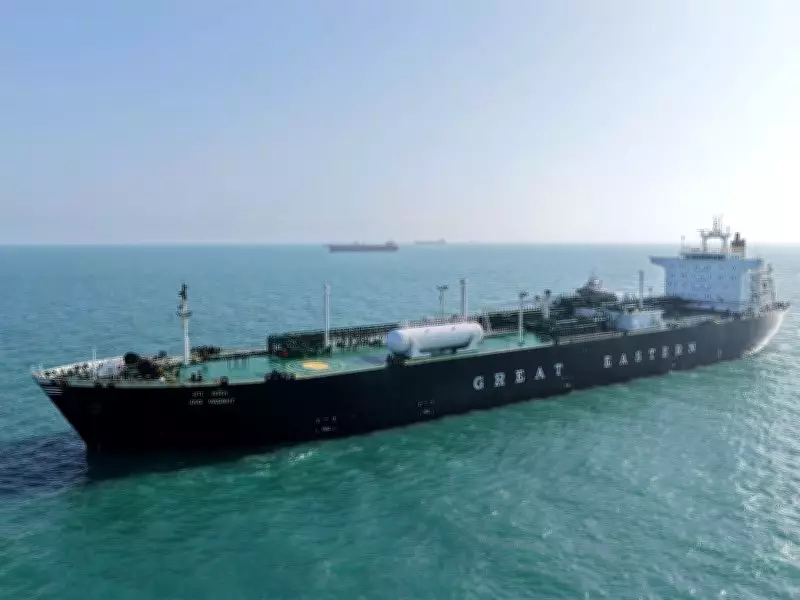
Iranian Oil Tanker Diverts from India, Heads to China
In a significant development in global oil trade, an Iranian oil tanker that was initially scheduled to dock in India has altered its course and is now en route to China. This move underscores the complex geopolitical landscape influencing international energy markets and highlights the strategic shifts in oil procurement strategies among major economies.
Details of the Route Change
The tanker, identified as a vessel carrying Iranian crude oil, was originally destined for an Indian port as part of ongoing trade relations. However, recent reports confirm that it has diverted its path and is currently sailing towards Chinese waters. This decision comes amid heightened tensions and evolving diplomatic relations in the region, which have prompted adjustments in shipping logistics and trade agreements.
Key factors behind this diversion include:

- Geopolitical pressures: International sanctions and political dynamics may have influenced the rerouting, as countries navigate compliance with global regulations.
- Market demands: China's growing appetite for oil imports could have made it a more attractive destination, driven by its industrial needs and energy policies.
- Trade negotiations: Bilateral agreements between Iran and China might have facilitated this shift, reflecting deeper economic ties between the two nations.
Implications for India and Global Oil Trade
This diversion has potential ramifications for India's energy security and its oil import strategies. India, as one of the world's largest oil consumers, relies heavily on imports to meet its domestic demands. The loss of this shipment could prompt Indian authorities to seek alternative sources, potentially affecting supply chains and pricing in the regional market.
On a broader scale, this incident highlights the volatility in global oil trade, where geopolitical events can swiftly alter shipping routes and trade patterns. It also emphasizes the increasing role of China in the global energy sector, as it continues to expand its influence through strategic acquisitions and partnerships.
Broader Context and Future Outlook
The movement of Iranian oil tankers is closely monitored due to international sanctions and regional conflicts. This particular diversion adds to a series of similar incidents where oil shipments have been redirected in response to political and economic factors. Analysts suggest that such trends may continue as nations adapt to changing alliances and market conditions.
Looking ahead, stakeholders in the oil industry will need to remain vigilant about these developments, as they could impact global supply stability and economic forecasts. The incident serves as a reminder of the interconnected nature of international trade and the need for flexible strategies in navigating geopolitical uncertainties.






