

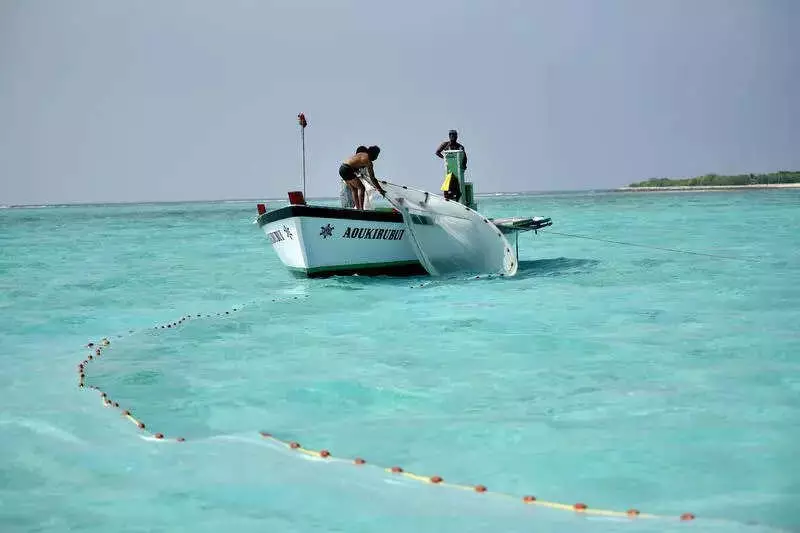
Lakshadweep Matsya Mela Wraps Up with Strong Push for Fisheries Hub
The three-day Matsya Mela in Kavaratti wrapped up on Tuesday. Organizers and participants issued a clear call to action. They want to establish an integrated fisheries hub in Lakshadweep. This hub would serve as a single-window platform. Its goal is to streamline marketing efforts across the islands.
A Vision for Streamlined Fisheries
The proposed hub aims to strengthen the entire fisheries value chain. It seeks to enhance income security for local fishing communities. Livelihood protection is a top priority. The fair was organized by the Krishi Vigyan Kendra (KVK) in Lakshadweep. This center operates under the Central Marine Fisheries Research Institute (CMFRI).
Experts presented a detailed roadmap at the event. This plan focuses on boosting the island economy. It also emphasizes sustainable fisheries management. Stakeholders believe the hub can unlock Lakshadweep's full economic potential.

Key Components of the Proposed Hub
The fisheries hub would concentrate on several critical areas. Organized fish marketing is a primary focus. The plan includes creating common landing and handling facilities for fishermen. Building reliable cold storage infrastructure is essential. Developing a robust cold-chain system will prevent spoilage.
Value addition units are also part of the proposal. These facilities would process fish into higher-value products. Export facilitation services would help local products reach international markets. The hub specifically targets the tuna-based fisheries sector. It also aims to support emerging mariculture activities.
Major Recommendations for Sustainable Growth
Participants made several important recommendations. Identifying suitable sites for cage fish farming was a major point. Scientists stressed the need to consider environmental carrying capacity. Ecosystem health must be protected. Climate resilience is crucial for long-term success.
Fisheries scientists highlighted a fundamental need. They called for regular and scientific fish catch data estimation. Accurate data forms the foundation for sustainable management. This is especially important for the Lakshadweep archipelago.
Diversifying Livelihood Options
The fair explored various diversification strategies. Cage farming presents a significant opportunity. Seaweed cultivation offers another promising avenue. Ornamental fisheries could provide additional income streams.
These options can complement traditional capture fisheries. They may help reduce pressure on natural fish stocks. Diversification strengthens community resilience against market fluctuations.
Emphasizing Community and Science Collaboration
The Matsya Mela stressed the importance of citizen science initiatives. Creating closer linkages between fishing communities and scientific institutions is vital. Such partnerships can improve data collection efforts. They enable better stock assessment and ecosystem monitoring.
This collaborative approach ensures that management strategies reflect local knowledge. It empowers communities to participate directly in conservation efforts. The conclusion of the fair marks a step toward a more organized and sustainable future for Lakshadweep's fisheries sector.






